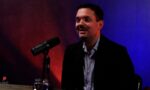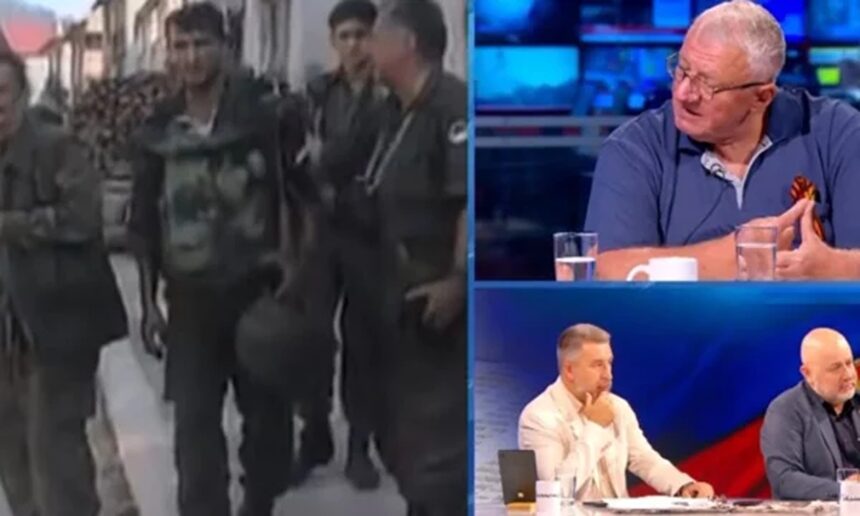
Serbian ultranationalist politician Vojislav Šešelj has once again denied that the Srebrenica genocide took place, contradicting final rulings by international courts that have legally recognized the July 1995 massacre as genocide.
During a televised debate in Serbia, Šešelj described July 11, 1995 as the “liberation” of Srebrenica and “a day of celebration for the Serbian people,” while rejecting the legal classification of the crimes as genocide.
He claimed that some of the victims were combatants killed during fighting or while retreating toward Tuzla, and questioned the internationally established death toll, arguing that the number of people executed was lower than the figure documented by international institutions.
The debate drew further attention when Šešelj spoke about executions in controversial terms.
After stating that “those who have never executed anyone don’t know what it’s like,” the journalist asked him, “And how do you know what it’s like?” Šešelj dismissed the question as “very inappropriate” and avoided giving a direct answer.
He also denied that there had been a centralized order for the executions and claimed that former Army of Republika Srpska commander Ratko Mladić was not responsible for the killings. In addition, he criticized commemorations at the Srebrenica-Potočari Memorial Center, questioning the lists of identified victims.
Šešelj’s remarks reflect a long-standing genocide denial narrative promoted by some political and nationalist figures in Serbia, who continue to reject the facts established by international courts regarding the events in Srebrenica.
However, both the International Criminal Tribunal for the former Yugoslavia (ICTY) and the International Court of Justice (ICJ) have issued final judgments concluding that the Srebrenica massacre constituted genocide. According to their findings, more than 8,000 Bosniak men and boys were systematically executed by Bosnian Serb forces following the fall of the UN-protected enclave in July 1995.
Among those convicted for these crimes are former Bosnian Serb military commander Ratko Mladić and former Bosnian Serb political leader Radovan Karadžić.
Despite these legally binding judgments, the denial or relativization of the Srebrenica genocide continues to appear in the rhetoric of some politicians and public figures in Serbia, drawing condemnation from institutions in Bosnia and Herzegovina, international organizations, and associations representing victims’ families.