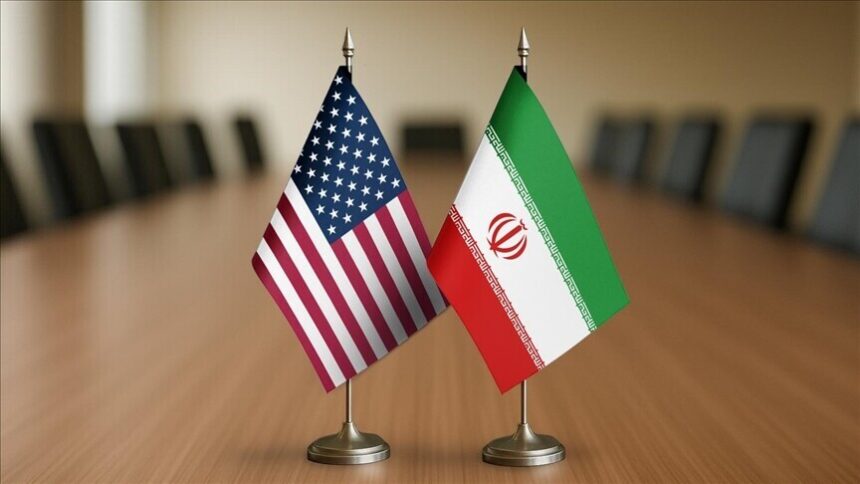
Egypt and Qatar issued a joint diplomatic appeal on Monday, urgently calling on the United States and Iran to de-escalate rising regional tensions and engage with active mediation efforts. The diplomatic push follows a volatile weekend that shattered regional ceasefires and saw a direct exchange of military strikes between Iran and Israel.
In an official statement, the Egyptian Ministry of Foreign Affairs stressed that a rapid bilateral agreement between Washington and Tehran is vital to restoring security and stability across the Middle East. According to Cairo, any viable long-term framework must address critical structural issues, including the revival of parameters around the Iranian nuclear program and securing the freedom of navigation through the strategic Strait of Hormuz.
High-Stakes Diplomacy in Doha
A parallel appeal was issued by Qatari Prime Minister and Minister of Foreign Affairs, Sheikh Mohammed bin Abdulrahman Al Thani. Sheikh Mohammed emphasized the urgent need to restrain the current escalatory cycle and expressed Doha’s continued commitment to serving as a primary diplomatic bridge between the US and Iran.
According to the Qatari Foreign Ministry, Sheikh Mohammed held an emergency phone call with Iranian Foreign Minister Abbas Araghchi to discuss ongoing diplomatic channels and volatile developments on the ground.
[Key Diplomatic Directives from Egypt & Qatar]
• De-escalation: Immediate cessation of retaliatory military actions between regional actors.
• Nuclear Oversight: Resolving long-standing diplomatic disputes surrounding Iran's nuclear program.
• Maritime Security: Guaranteeing international freedom of navigation in the Strait of Hormuz.
• Regional Stabilization: Securing fragile diplomatic frameworks in both Lebanon and Gaza.
Ceasefire Collapse and Direct Military Exchanges
The coordinated diplomatic intervention comes after regional stability deteriorated rapidly on Sunday. Tensions spiked sharply when Israel carried out airstrikes in Beirut, Lebanon, despite a fragile ceasefire agreement being in effect.
The military action triggered a swift, multi-front escalation:
- Iranian Response: Tehran launched a barrage of retaliatory missiles directed at northern Israel.
- Israeli Counter-Strikes: Israel responded by executing multiple waves of targeted airstrikes against strategic military assets inside Iran.
The direct exchange of strikes immediately triggered anxieties across global energy markets, though oil prices pulled back slightly on Monday following a temporary suspension of further active hostilities. The joint initiative by Cairo and Doha highlights growing panic among regional mediators that a prolonged conflict between Israel and Iran risks pulling the United States directly into a broader regional war.