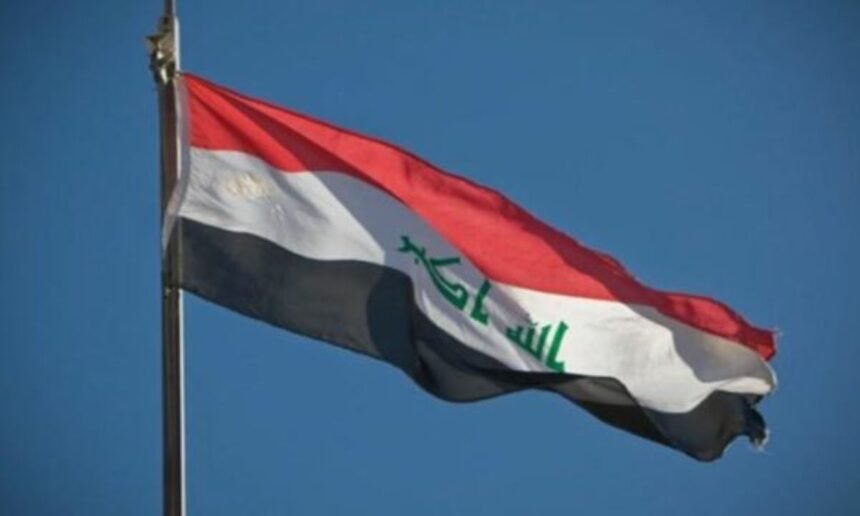
In a major bid to reclaim absolute state sovereignty and head off a devastating financial conflict with Washington, the Iraqi government has issued a binding ultimatum ordering all pro-Iranian armed factions operating within its borders to completely disarm by September 30, 2026.
The announcement, delivered by government spokesman Haidar al-Aboudi during a scheduled press briefing, marks a definitive shift by Baghdad to curb the independent power of the country’s dominant paramilitary network.
Syncing Disarmament with the Anti-ISIS Coalition Exit
The selection of the September 30 cutoff date is not arbitrary. Iraqi authorities have intentionally tied the disarmament ultimatum to a massive geopolitical milestone: the formal conclusion of the U.S.-led international anti-Islamic State (ISIS) coalition’s mission in Iraq.
For years, rogue factions within the state-sanctioned Popular Mobilization Forces (PMF / Hashed al-Shaabi) have cited the active presence of American military personnel on Iraqi soil as a justification to retain vast independent arsenals. By aligning the disarmament target with the official departure date of coalition troops, the central government is eliminating that loophole.
                  [Iraq's Dual Security Timeline]
                                 │
                                 ▼
             [ September 30, 2026: The Zero-Hour ]
                                 │
       ┌─────────────────────────┴─────────────────────────┐
       ▼                                                   ▼
[Coalition Exits]                                  [Militia Ultimatum]
Official termination of the U.S.-led               All weapons outside state control
anti-ISIS international mission in Iraq.           become illegal and subject to legal raid.
The U.S. Financial Squeeze and Regional Flashpoints
The sudden administrative iron fist from Baghdad follows intense, multi-layered pressure from the United States, culminating in severe economic pain for the newly formed government of Prime Minister Ali al-Zaidi.
The geopolitical tension reached critical levels following a series of highly destabilizing military clashes:
- Kinetic Aggression: Following a joint U.S.-Israeli military campaign targeting Iran earlier this spring, several radical Iraqi proxy factions launched a barrage of rocket and drone strikes against U.S. military installations and diplomatic bases across the Middle East.
- The Washington Sanctions Whip: In retaliatory strikes, American forces hit paramilitary targets inside Iraq. Concurrently, the U.S. Federal Reserve unleashed severe financial leverage—withholding vital cash payments for Iraqi oil revenues from global sales accounts.
- The Upcoming Washington Summit: The disarmament push serves as an essential diplomatic deliverable for Prime Minister al-Zaidi ahead of his crucial high-stakes visit to Washington, where he intends to lobby for the full restoration of Iraq’s sovereign dollar access.
Integrating the Shifting Paramilitary Landscape
While powerful hardline brigades like Asaib Ahl al-Haq and Kataeb Imam Ali have recently made public overtures about turning over administrative control of their forces to the regular army, the absolute integration of Iraq’s paramilitary ecosystem faces deep-seated structural friction.
| Paramilitary Entity | Integration Baseline | Current Operational Status |
| Popular Mobilization Forces (PMF) | Formed in 2014 to combat ISIS; nominally under prime ministerial authority. | Currently composed of dozens of distinct factions; state seeking full absorption into the regular defense budget. |
| Independent Factions | Operates entirely outside the official Hashed structure. | Facing immediate asset seizures and criminal anti-terror prosecution post-September 30. |
“After this date, all weapons outside the state framework will be subject to direct legal redress,” spokesman al-Aboudi warned, signaling that any militia attempting to maintain independent stockpiles after the autumn deadline will be treated as an unlawful entity and dealt with by state special forces.