Serbia’s ruling Serbian Progressive Party (SNS) has significantly intensified its nationwide political campaign, fueling speculation that parliamentary elections could be called before the end of 2026 despite the regular electoral timetable extending beyond next year.
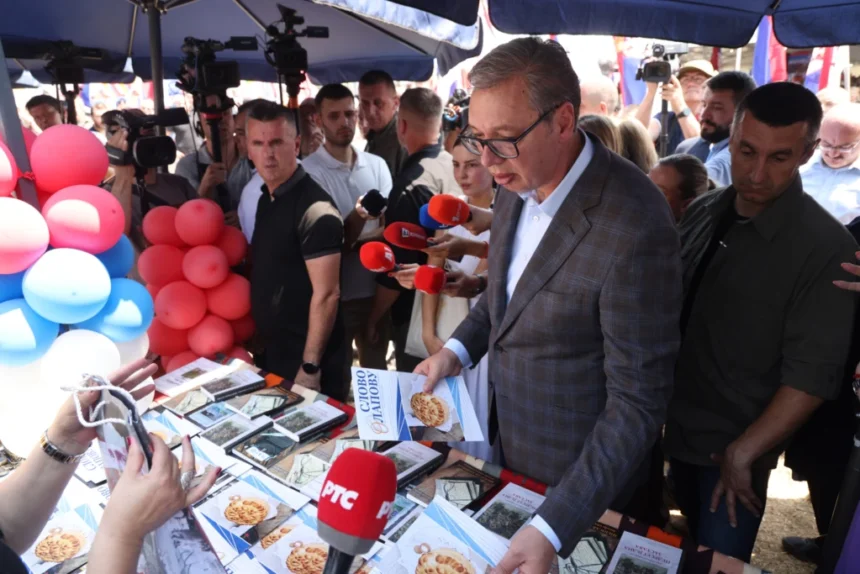
According to an analysis published by Serbian weekly Vreme, senior SNS officials, including President Aleksandar Vučić, Parliament Speaker Ana Brnabić and party leader Miloš Vučević, have spent recent weeks attending dozens of public gatherings across Serbia, particularly in rural areas and suburban communities.
The report describes the events as large-scale community gatherings featuring live music, food and informal meetings with residents, where Vučić and other senior officials have combined campaign-style appearances with announcements of future government measures.
During these events, Vučić has repeatedly promised a new package of social support measures, including direct financial assistance for citizens expected in September, lower medicine prices and investments in local infrastructure projects. He has also portrayed the government as attentive to citizens’ concerns while pledging victory over his political opponents.
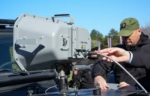
According to Vreme, the increased pace of public appearances comes alongside growing political pressure on government critics, citing the recent case involving military analyst Aleksandar Radić, who faces legal proceedings after publicly alleging that Serbian authorities used a sonic weapon during anti-government protests.
The publication argues that the combination of an intensified political campaign, increased pressure on critics and announcements of financial support for citizens has strengthened speculation that Serbia could head to early parliamentary elections before the end of the year.
Although Serbia’s next regular presidential election is scheduled for spring 2027, while parliamentary elections are not required until 2028, Vučić has recently floated several possible political scenarios. Among them is holding parliamentary elections first, followed by presidential elections, while also briefly mentioning—but dismissing—the possibility of assuming the office of prime minister without new elections.
The report notes that Vučić’s statements on election timing have frequently changed, making it difficult to predict whether early elections will ultimately be called. Nevertheless, Vreme concludes that the current intensity of SNS campaign activities suggests preparations are already well underway for a potential nationwide vote.