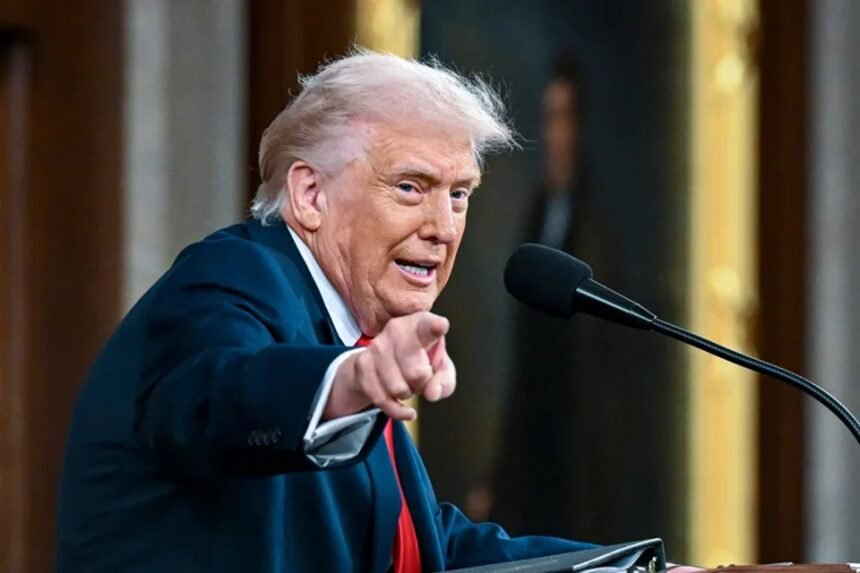
U.S. President Donald Trump has signed an executive order seeking to reduce the number of vaccines recommended for children, a move that has drawn criticism from medical experts who warn it could leave more children vulnerable to preventable diseases.
Under the order, childhood vaccination recommendations would be limited to vaccines targeting 11 major viruses and diseases. The order also calls for the measles, mumps and rubella (MMR) vaccine to be administered as three separate doses during separate medical visits rather than given together.
Trump defended the changes, arguing that reducing the number of vaccines and spacing out doses would be more effective.
“With immediate effect, my administration is recognizing childhood vaccine recommendations for 11 major vaccines against the most serious and dangerous diseases,” Trump said. He added that the MMR vaccine would be divided into three individual doses administered during separate visits.
The decision has been challenged by medical experts. Reuters cited specialists who warned that reducing the number of recommended childhood vaccines could increase the number of children exposed to diseases that can be prevented through vaccination.
The executive order also directs the U.S. attorney general to bring legal challenges against state laws that conflict with the federal policy outlined by the administration.
The order was signed shortly before students are due to return to schools across the United States and comes as the country has experienced an increase in measles cases.
Federal data also indicate that vaccination rates among kindergarten children in the United States have declined, particularly during the most recent school year.
Public health experts have raised concerns that lower vaccination coverage could weaken community protection against highly contagious diseases, particularly measles, which can spread rapidly in schools and other settings.
The changes mark a significant shift in U.S. federal vaccination policy and are expected to generate further debate among medical professionals, state authorities and parents over childhood immunization requirements and recommendations.