Archaeologists in southeastern Turkey have uncovered carved human faces and rare artifacts at the Sefertepe archaeological site, part of the Taş Tepeler complex, which also includes Göbeklitepe, Karahantepe, and Sayburç. These findings date back approximately 12,000 years, offering new insights into the early Neolithic world.
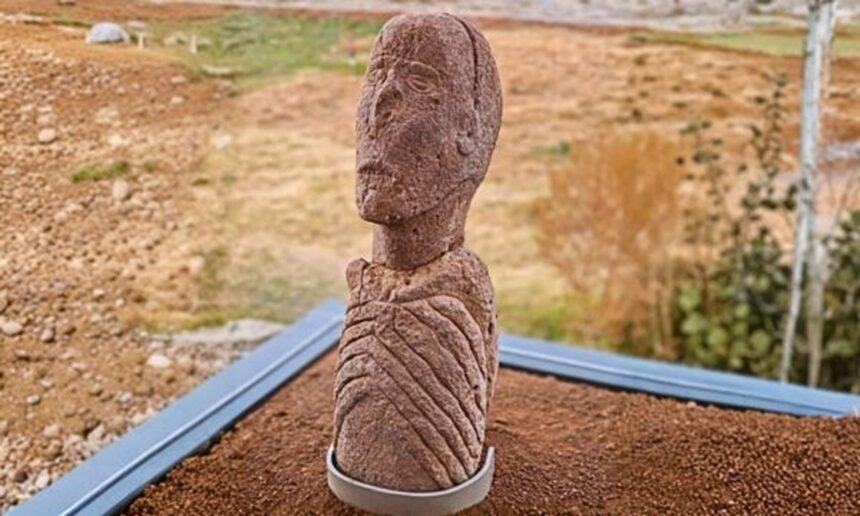
At Sefertepe, researchers discovered two stone-carved human faces: one in high relief and the other in bas-relief. The differing techniques and styles suggest that Sefertepe may have developed a distinct aesthetic identity within the broader Taş Tepeler tradition.
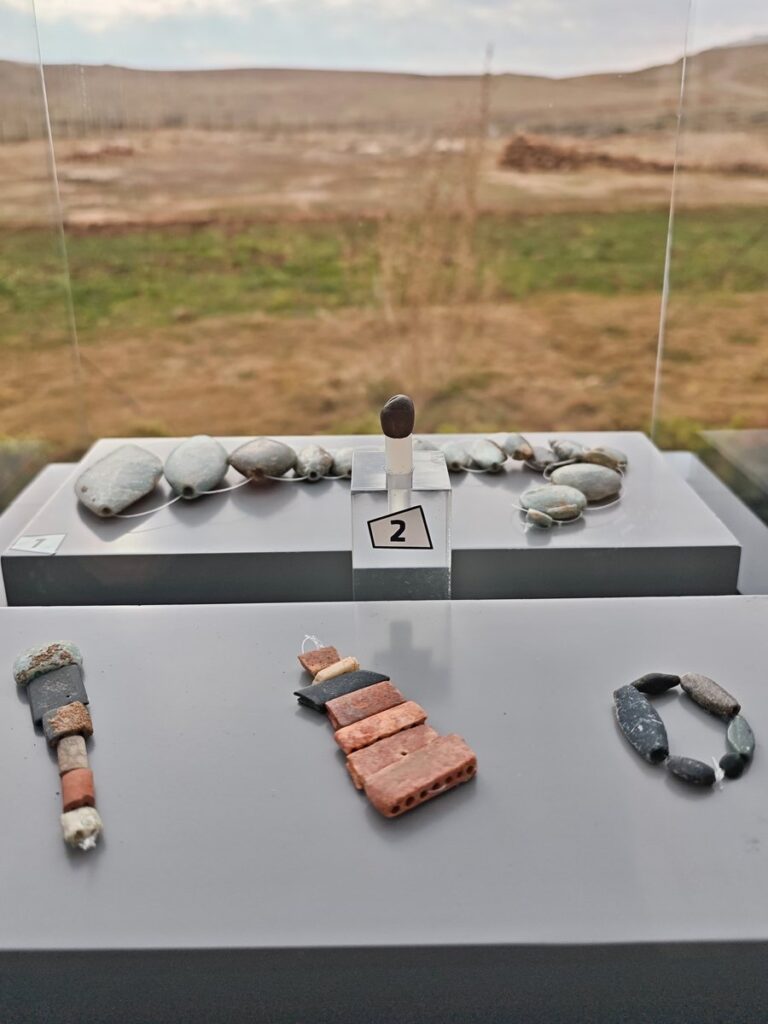
Additionally, a small black serpentine bead, carved on both sides and carefully polished, was found. The Turkish Minister of Culture, Mehmet Ersoy, highlighted that this indicates mobile artifacts had symbolic functions, complementing the monumental sculptures.
Another remarkable find is a small sculpture with a closed mouth, possibly symbolizing the boundary between life and death. This discovery provides further understanding of Neolithic funerary rituals, including skull removal and secondary burials.
The discoveries confirm that Taş Tepeler was a culturally integrated region where early communities practiced complex architecture and art. The detailed modeling of facial features, including eyebrow lines and noses, led archaeologists to conclude that Sefertepe likely developed its own sculptural style while remaining within the broader artistic traditions of the Taş Tepeler region.