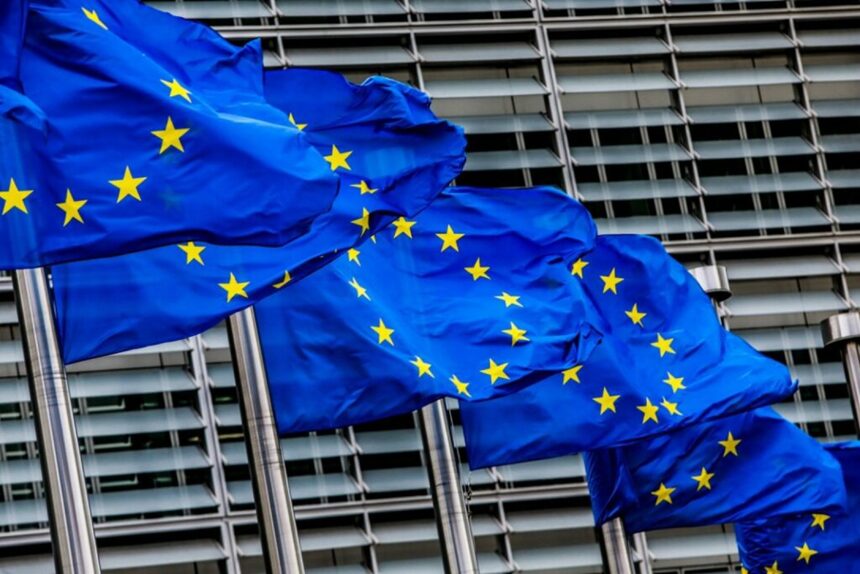
The European Union’s Growth Plan for the Western Balkans is revealing a widening gap between countries that have managed to advance reforms and those whose political crises have delayed or blocked access to billions of euros in EU funding.
Of the six Western Balkan countries aspiring to join the EU, Albania, Montenegro and North Macedonia have so far made the most progress in accessing funds under the Growth Plan, according to an analysis cited by Euractiv. Political stability and the ability to implement agreed reforms have been key factors in determining which countries have been able to unlock funding.
Albania remains the regional leader, having received around €212 million by May 2026. Despite strong political polarization, the country’s stable parliamentary majority has allowed the government to implement reforms and meet a number of EU conditions.
Montenegro, the Western Balkan country considered furthest along in the EU accession process, has received around €91 million. Its ability to reach political compromises has helped unlock funding, although concerns remain over the gap between declared progress and reforms that can be independently verified by the EU, particularly in the judiciary and rule of law.
North Macedonia has received around €141 million, but its stalled constitutional changes continue to complicate the country’s path toward advancing EU accession negotiations.
Political crises block funding
The situation is markedly different in Kosovo, Serbia and Bosnia and Herzegovina, where political disputes and institutional problems have limited access to EU funding.
Kosovo is among the clearest examples. An extended political crisis, repeated elections, a lack of political consensus and prolonged difficulties in establishing fully functioning institutions have slowed the implementation of reforms.
Kosovo has received only around €61 million under the Growth Plan. The EU has warned that continued political paralysis could put additional funding at risk and prevent Prishtina from accessing money allocated to the country.
Bosnia and Herzegovina has performed even worse. The country has failed to complete the reforms required under the mechanism and has received no funding since the Growth Plan was launched.
Serbia presents a different case. Unlike Kosovo and Bosnia and Herzegovina, Belgrade has a stable parliamentary majority, but its relationship with Brussels has been complicated by concerns over judicial reforms, the rule of law and Serbia’s broader European policy.
The EU has continued to demand progress on Serbia’s accession commitments, while funding remains suspended pending the fulfillment of relevant conditions.
Despite the suspension, Serbia had received around €168 million by May 2026, making it the second-largest beneficiary after Albania among the six Western Balkan countries.
Billions at risk
The Growth Plan is worth €6 billion and is scheduled to run until December 2027, leaving the region with limited time to complete the required reforms and unlock the remaining funds.
Even Albania, the region’s strongest performer, has so far accessed only around 23% of its allocated €922 million. Kosovo has accessed approximately 7% of its planned funding.
The figures underline the central purpose of the Growth Plan: EU money is tied directly to measurable reforms rather than being distributed automatically.
For countries struggling with political instability, institutional paralysis or disputes with Brussels, the risk is increasingly clear. Unless governments can overcome internal crises and deliver the reforms required by the EU, billions of euros allocated to the Western Balkans could remain inaccessible or ultimately be lost.