Three years ago, when Mariusz Zaremba and his friends decided to travel to the Balkans to hike the famous Peaks of the Balkans trail, their expectations of Kosovo were modest.
For years, the Polish-born adventurer, who now lives in Ireland, had explored the Alps, the Dolomites, and other mountain ranges across Western Europe. Over time, however, he began to feel that mountain tourism there had become increasingly commercialized.
When he first heard about the Balkans as a hiking destination, he admits he was skeptical.
“The Balkans former Yugoslavia made me think of poverty, war, and a gloomy Soviet atmosphere. My first impression was based on ignorance and stereotypes,” he told Radio Free Europe/Radio Liberty.
At the time, Zaremba recalls, many travel guides and articles about the trail even suggested bypassing Kosovo altogether. Yet those recommendations only made him and his friends more curious to experience the country for themselves.
They began their journey in Montenegro, where they found beautiful landscapes and relatively well-marked trails, though with limited interaction with local residents.
In Albania, he says, the scenery may have been the most spectacular along the entire route. However, he also noticed growing signs of mass tourism, with villas and new developments appearing along the trail.
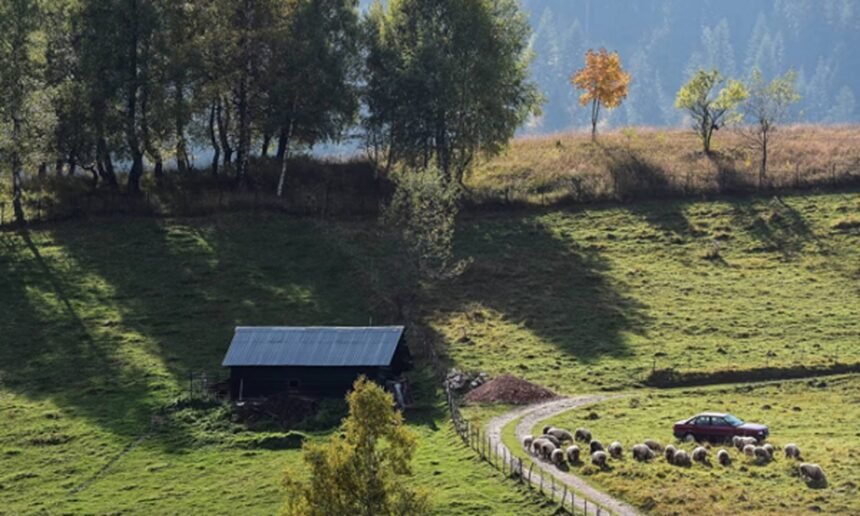
“And then came Kosovo. Gentler mountains, more forests, flowers, greenery—and most importantly, complete peace and tranquility,” Zaremba recalls.
What truly set Kosovo apart, however, was not only its nature.
“The people were friendly everywhere… We felt as though we were visiting relatives rather than simply traveling as tourists.”
According to him, in many well-known European destinations he often felt like “just another customer,” whereas in Kosovo he encountered genuine warmth and hospitality.
That experience inspired him to return a year later, and he is planning another visit this year—this time focusing exclusively on Kosovo.
“Kosovo is a hidden gem,” Zaremba says. “It remains relatively untouched and unspoiled.”
He believes Kosovo’s tourism potential is still far from fully utilized.
While he notes that some hiking trails are not always clearly marked and mobile phone coverage can be weak in remote areas, he also warns that Kosovo should avoid the mistakes made elsewhere in the region, particularly excessive commercialization, in order to preserve its authenticity.
Mountain guide Safet Behrami witnesses this potential firsthand.
Licensed as a mountain guide and active for years on the Peaks of the Balkans and High Scardus Trail routes, Behrami says interest from international visitors continues to grow.
In recent years, he has guided tourists from the United States, Canada, Israel, and many other countries.
Beyond its hiking trails, Kosovo also attracts visitors through its cultural and historical heritage.
Prizren is widely regarded as the cultural capital of the country and one of the most visited destinations for foreign tourists, while the Newborn Monument has become a symbol of Kosovo’s independence.
Among the country’s most notable natural attractions are Rugova Gorge, Accursed Mountains, Sharr Mountains, and Brezovica.
Despite these attractions, Behrami believes Kosovo still remains overshadowed by neighboring Albania and Montenegro.
“Unfortunately, tourists often skip the Kosovo section,” he says, adding that one of the main reasons is the lack of international promotion.
“When I ask tourists how they decided to visit Albania or Montenegro, many tell me they saw these destinations featured on national television in their home countries,” Behrami explained.
He notes that online groups dedicated to the Peaks of the Balkans trail frequently feature itineraries that bypass Kosovo. However, those who include the country in their journey almost always leave with highly positive impressions.
“Every one of them encourages others not to skip Kosovo. They say it is incredibly beautiful,” Behrami says.
For the first time, Kosovo now has a separate ministry dedicated specifically to culture and tourism, reflecting greater institutional focus on developing the tourism sector.
According to the ministry, challenges remain significant, ranging from infrastructure and accommodation capacity to workforce development, international promotion, and extending tourism beyond the summer season.
Officials say cooperation with international partners and local authorities aims to expand trail networks connecting major destinations while improving safety standards and visitor services.
Accommodation capacity remains a particular challenge.
“There are tourists who cancel their trips because they cannot find a place to stay,” Behrami says.
For visitors like Zaremba, however, Kosovo’s authenticity remains its greatest asset.
“In Kosovo, I find things that are sometimes missing elsewhere: mountains, forests, real homemade food, and hospitality that makes you feel almost like part of the family. That is probably the greatest compliment you can give a foreign country and its people.”