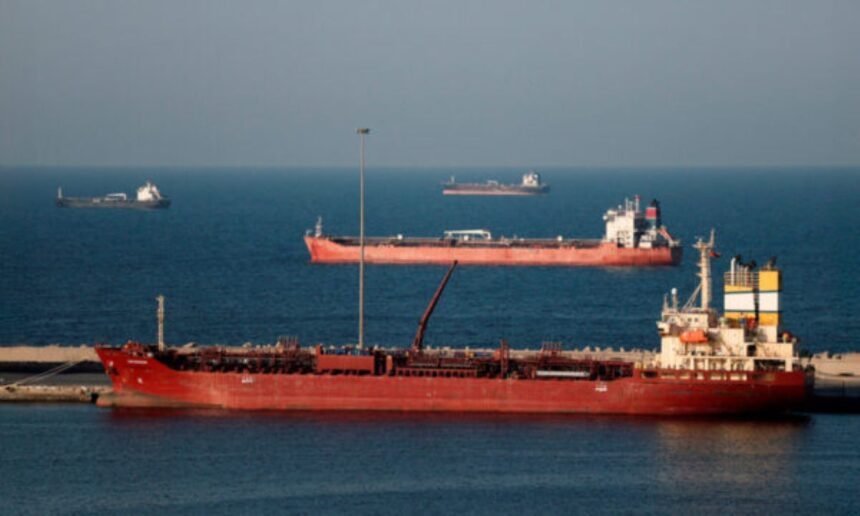
Iran is considering allowing commercial vessels to transit safely through parts of the Strait of Hormuz under its control, as part of ongoing negotiations with the United States aimed at avoiding further conflict, Reuters has reported.
According to sources familiar with the discussions, Tehran has proposed permitting ships to pass freely through the section of the strait adjacent to Omani waters without the risk of attack. The proposal is seen as part of broader diplomatic efforts tied to a potential agreement between Washington and Tehran.
However, key details remain unclear. It is not known whether Iran would remove any naval mines that may have been deployed in the area, nor whether all vessels—including those linked to Israel—would be granted unrestricted passage.
Sources cited by Reuters indicated that the proposal is conditional on the United States meeting certain Iranian demands, which are considered essential for progress in negotiations concerning the vital maritime corridor.
A Western security source also confirmed that the idea of redirecting shipping through Omani waters is under consideration, although there has been no public indication of Washington’s response so far.
The development comes amid ongoing disruptions in the Persian Gulf, where hundreds of oil tankers and other vessels, along with approximately 20,000 seafarers, have been stranded since the outbreak of conflict on February 28.
A two-week ceasefire that took effect on April 8 is not expected to be extended, according to earlier statements from U.S. officials. While former U.S. President Donald Trump has suggested that the war may be nearing its end, control over the Strait of Hormuz remains a central issue in ongoing negotiations.
Reuters noted that the proposal, if implemented, could mark a shift away from more aggressive measures previously floated by Tehran, including imposing transit fees or asserting full sovereignty over the strait—moves widely criticized by the global shipping industry as unprecedented and contrary to international maritime conventions.