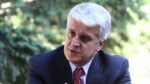
Montenegrin Prime Minister Milojko Spajić has said that a declaration adopted by the Pljevlja Municipal Assembly calling for the withdrawal of Montenegro’s recognition of Kosovo has no legal effect and should be viewed only as part of everyday political debate.
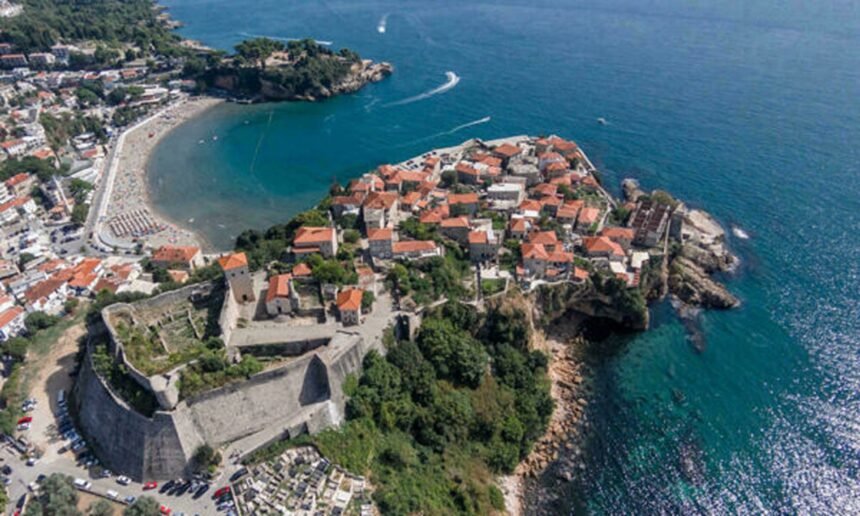
The issue gained attention after Ana Lacmanović, a municipal councilor from the pro-Serbian New Serbian Democracy (NSD) party who voted in favor of the anti-Kosovo declaration, was temporarily authorized to coordinate the work of the Regional Real Estate Administration Office in Ulcin.
The appointment sparked concern in Ulcinj and was raised in Montenegro’s Parliament by Ilir Capuni, an MP from the Albanian Alliance, who questioned whether someone openly opposing Montenegro’s official foreign policy should hold a senior position in the state administration.
Čapuni argued that while everyone has the right to their political views, senior civil servants are expected to remain politically neutral and act in accordance with the state’s official policies. He also questioned the legal basis, professional criteria, and impartiality surrounding Lacmanović’s temporary appointment.
The controversy follows last week’s adoption of a declaration by the Pljevlja Municipal Assembly, proposed by the Democratic People’s Party (DNP) led by Milan Knežević, calling for Montenegro to revoke its recognition of Kosovo. A similar declaration had previously been adopted by the Zeta Municipal Assembly.
Responding in writing, Spajić clarified that Lacmanović was not formally appointed director of the Ulcinj office but was only temporarily authorized to coordinate its work because the position remains vacant and there were no interested candidates.
He said the authorization was issued by the Real Estate Administration in accordance with the law, based on her professional experience and previous work in the Bar Regional Office.
Spajić also emphasized that municipal assemblies have no constitutional authority over foreign policy or the recognition of states.
“The declaration on the ‘withdrawal of recognition’ of Kosovo has no legal effect and cannot produce any legal consequences regarding decisions made by the competent state authorities. It can only be regarded as part of everyday political debate,” he stated.
During the parliamentary session, Čapuni also raised a hypothetical question, asking what would happen if a Kosovo citizen presented Kosovo-issued documents to register property in Ulcinj.
Spajić replied briefly that any action contrary to the law would result in criminal liability.