Swiss voters will decide in a referendum next month whether to adopt stricter neutrality rules that would prevent the country from imposing economic sanctions and restrict its cooperation with NATO during peacetime, Reuters reports.
The September 27 referendum has sparked a nationwide campaign over the future of Switzerland’s long-standing policy of neutrality, with posters calling for peace and opposition to war appearing across the Alpine country.
The initiative has also received support from the Kremlin, while opponents warn that adopting a more restrictive definition of neutrality could isolate Switzerland from its European neighbors and weaken its security cooperation.
Recent opinion polls suggest the proposal is likely to be rejected. One recent survey found 62 percent of respondents opposed the initiative, compared with 36 percent in favor. However, pollster Fabio Wasserfallen cautioned that the gap could narrow as supporters of the initiative become increasingly active in the campaign.
Debate over Switzerland’s traditional neutrality
Switzerland’s neutrality has been internationally recognized since 1815 and has been a defining element of the country’s foreign policy for more than two centuries. Supporters of the initiative argue that Switzerland’s neutrality has helped keep the country out of major European wars.
Christoph Blocher, a veteran politician and prominent supporter of the Swiss People’s Party (SVP), which backs the initiative, argues that the country’s neutrality has been central to its security.
“Switzerland has not had a war for 200 years because it has remained permanently armed and neutral,” Blocher told Reuters.
The debate intensified after Switzerland joined European sanctions against Russia following Moscow’s full-scale invasion of Ukraine in 2022.
Blocher argues that the sanctions have undermined Switzerland’s credibility as a neutral state, claiming that Russia now regards Bern as a party to the conflict.
“A third world war may not be that far away, and then it will matter whether we are credibly neutral or not,” he said.
What would change under the proposal?
The precise rules governing Swiss neutrality are not defined exclusively by the country’s constitution. They are also based on international law, including the 1907 Hague Convention, which requires neutral states to prevent the military use of their territory and maintain impartiality toward belligerents.
The proposed constitutional changes would establish a more restrictive interpretation of neutrality and place additional limits on Switzerland’s ability to participate in international security cooperation.
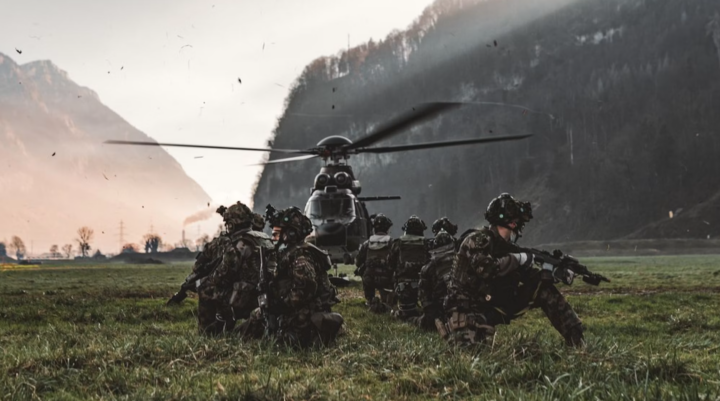
The initiative would particularly affect Switzerland’s relationship with NATO. While Switzerland is not a NATO member, it has developed cooperation with the alliance through exercises and other security arrangements.
Foreign Minister Ignazio Cassis and the Swiss government oppose the initiative, arguing that the proposed restrictions would weaken national security and limit Switzerland’s ability to conduct military exercises with NATO.
Government legal experts have also argued that there is no need to replace what they consider a successful approach to neutrality.
The government has pointed to recent decisions involving Switzerland’s response to international conflicts as examples of the practical difficulties that a stricter neutrality policy could create.
The referendum comes amid a broader European debate over neutrality, military cooperation and national security as governments reassess their defense policies following Russia’s war in Ukraine and rising geopolitical tensions.
Swiss voters will cast their ballots on September 27, with the result potentially defining how far Bern can cooperate with European and transatlantic security structures while maintaining its traditional neutral status.