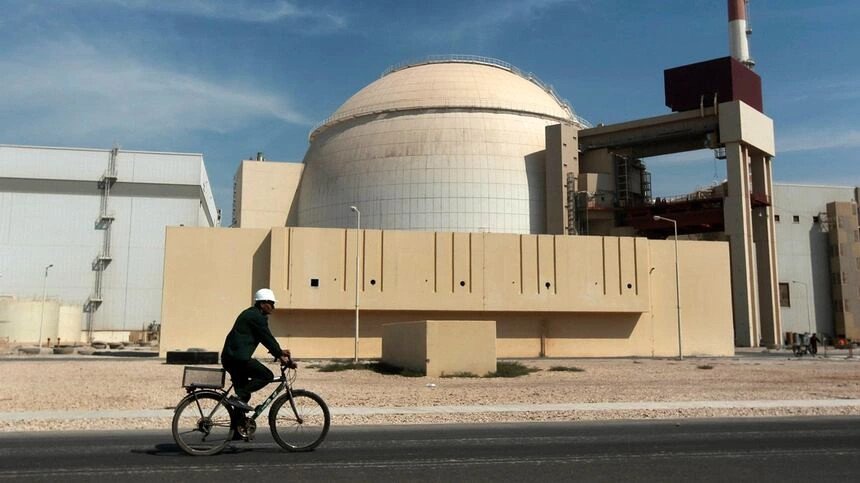
In a critical move to enforce the fragile, temporary containment deal brokered in Switzerland, the head of the International Atomic Energy Agency (IAEA), Rafael Grossi, announced that UN inspectors will move forward with comprehensive inspections of Iran’s nuclear enrichment facilities.
Grossi’s announcement comes at a highly volatile moment. Just hours earlier, U.S. President Donald Trump publicly lashed out at the American Senate for passing an anti-war resolution, claiming his administration has the Iranian regime “ready to collapse.” Despite the soaring political rhetoric and diplomatic friction between Washington and Tehran, Grossi emphasized that the international mandate for oversight remains absolute and will be executed regardless of political posturing.
Core Terms of the Interim U.S.–Iran Deal
The temporary framework gives negotiators a tight window to prevent a wider military escalation in the Middle East following the outbreak of hostilities on March 2, 2026.
- Uranium Reduction: Iran is structurally required to draw down its stockpiles of highly enriched uranium.
- The 60-Day Clock: The deal establishes a strict 60-day diplomatic window to hammer out a broader, legally binding international treaty.
- IAEA Oversight: The accord explicitly guarantees the IAEA full operational access to verify compliance and monitor centrifuges.
The 60-Day Nuclear Containment Window:
========================================================================
Mid-June 2026   --> Swiss Accord signed; 60-day diplomatic clock begins.
June 24, 2026   --> IAEA Chief Grossi confirms inspections will proceed.
Mid-August 2026 --> Deadline for U.S. and Iran to finalize a comprehensive treaty.
========================================================================
Disputes Over Damaged Facilities
While Grossi stated that the exact operational timeline for the deployment of inspectors is classified, he left no room for ambiguity: “The inspections will happen, in any case.”
However, implementing the monitoring regime faces immediate friction on the ground. The Iranian government has already begun pushing back against international statements, categorically denying IAEA access to facilities that were hit or damaged during the earlier phases of the military conflict.
By demanding exemptions for targeted military-industrial zones, Tehran is testing the limits of the agreement. This stand-off leaves Grossi’s inspectors walking a tightrope between verifying actual nuclear reduction and navigating a highly charged executive battlefield between Trump’s “Maximum Pressure” strategy and Iran’s defensive maneuvers.