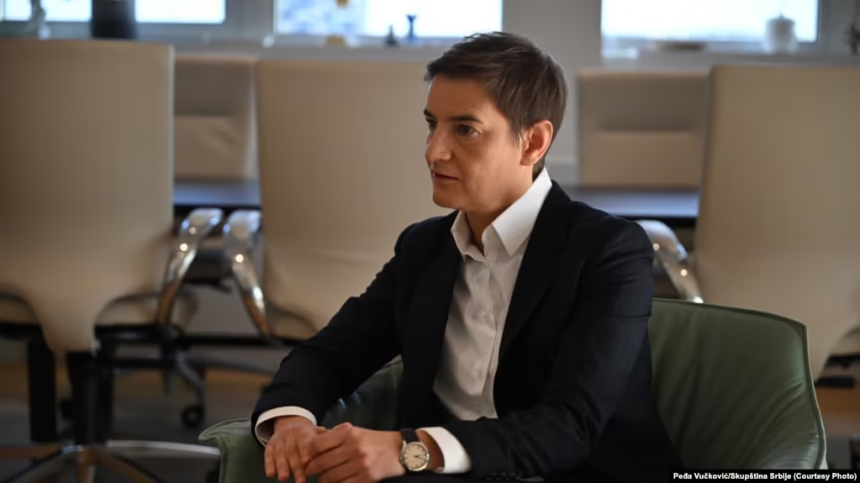
A scheduled, high-profile meeting between visiting U.S. lawmakers and Serbian Parliament Speaker Ana Brnabić was abruptly canceled on Monday. The diplomatic friction unfolded as a bipartisan U.S. congressional delegation arrived in Belgrade amid a multi-nation tour of the Western Balkans.
The delegation, consisting of Republican Congressman Keith Self and Democratic Congressman Suhas Subramanyam, was instead received by Nevena Jovanović, the State Secretary of the Serbian Ministry of Foreign Affairs.
According to an official ministry statement, the closed-door talks covered:
- The current state of U.S.-Serbia bilateral relations
- Shifting regional security and global dynamics
- The socio-political and security standing of the ethnic Serb community in Kosovo
Neither the Serbian Parliament nor the U.S. Embassy in Belgrade provided an immediate explanation for the sudden cancellation of the meeting with Brnabić, which had been formally announced by her cabinet days prior.
Vučić Reacts to Scathing State Department Report
The congressional visit follows the recent delivery of a U.S. State Department report to Congress regarding the Western Balkans. The document took a firm line on regional vulnerabilities, warning that dependence on Russian energy remains a strategic hazard and accusing both Moscow and Beijing of actively exploiting corruption and weak governance in the Balkans.
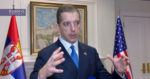
Speaking from China during his five-day state visit, Serbian President Aleksandar Vučić struck a pragmatic tone when asked about the report’s demands for Belgrade to aggressively normalize relations with Kosovo.
“We respect the work of the State Department; we have taken note of the report. We will continue to cooperate with the Americans,” Vučić told Serbian reporters on May 25.
High-Stakes Visit to Preševo Valley to Address “Address Passivization”
Following their stops in Sarajevo and Belgrade, Congressmen Self and Subramanyam are scheduled to travel south to Preševo—a municipality with a structural Albanian majority. Preševo Mayor Ardita Sinani publicly welcomed the delegation, calling the visit a vital indicator of international vigilance regarding the systematic discrimination faced by ethnic Albanians in southern Serbia.
[Core Grievances of the Preševo Albanian Minority]
   │
   ├─► 1. "Passivization" (De-registration) of Residential Addresses
   ├─► 2. Severe restrictions on using the Albanian language in public organs
   ├─► 3. Non-recognition of university diplomas issued by Kosovo
   └─► 4. Systematic shortages of state-approved textbooks in Albanian
The itinerary holds heavy political weight: Congressman Keith Self is the chief sponsor of a prominent piece of U.S. legislation passed by the House Foreign Affairs Committee in January. The bill legally requires the U.S. Secretary of State to compile an exhaustive investigation into human rights abuses in Serbia, focusing squarely on the controversial practice of “address passivization.”
What is Passivization? Albanian leaders and human rights watchdogs accuse Belgrade of selectively deleting ethnic Albanians from administrative residency registries. This bureaucratic erasure effectively revokes their Serbian citizenship, stripping them of voting rights, healthcare, property ownership, and fundamental civic protections.
“Many of the structural crises we are highlighting have persisted for decades without a systemic remedy from Belgrade,” Mayor Sinani told reporters. Despite three peace and integration agreements signed between Preševo leaders and the Serbian government since 2001, the local Albanian minority—which numbers over 60,000 citizens—remains heavily marginalized, a persistent sticking point in Serbia’s ongoing European Union accession talks.