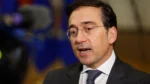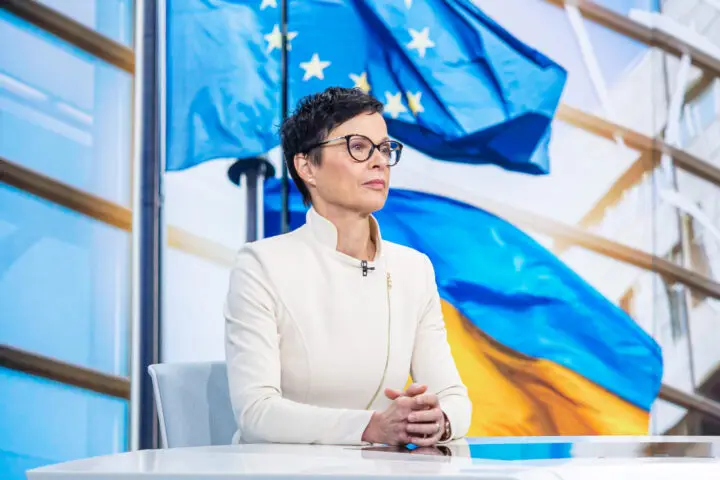
European Commissioner for Enlargement Marta Kos has stated that the European Commission is still assessing whether Serbia meets the conditions for receiving payments under EU financial instruments.
“We are increasingly concerned about what is happening in Serbia—from laws undermining judicial independence, to the suppression of protesters and repeated interference with independent media,” Kos told Politico.
According to the report, Serbia could risk losing up to €1.5 billion in EU funding, as the European Commission considers suspending payments due to democratic backsliding and Belgrade’s close ties with Russia.
Serbia is not an EU member state but has been in accession negotiations since 2014 and is eligible for EU grants and financial assistance aimed at supporting reforms.
The report also notes that internal discussions within the European Commission have included proposals to freeze funds, according to four unnamed EU officials working on enlargement policy.
Serbia’s ambassador to the EU and chief negotiator Danijel Apostolović has expressed confidence that funding will not be suspended and reiterated Belgrade’s commitment to EU membership.
The EU has previously criticized judicial reforms promoted by Serbian President Aleksandar Vučić, calling them a setback for judicial independence due to rushed and non-transparent adoption procedures.
Kos has also previously warned that such reforms represent “a serious step backward” in Serbia’s rule of law.
The Venice Commission, an advisory body of the Council of Europe, is expected to issue its opinion on the controversial legal amendments later this month. That opinion could influence whether the EU moves forward with suspending funds.
EU data shows Serbia has received hundreds of millions of euros in grants in recent years, along with broader financial support linked to reform progress under the EU accession framework.
Kos emphasized that candidate countries are expected to align with EU foreign policy positions, while stopping short of directly mentioning Russia.
The report also highlights growing tensions between Brussels and Belgrade, including criticism of Serbia’s democratic standards, election conduct, and handling of protests.
Despite the slowdown in accession talks—Serbia has not opened a new negotiation chapter in four years—Belgrade continues to insist on its commitment to joining the European Union while maintaining close ties with Moscow.