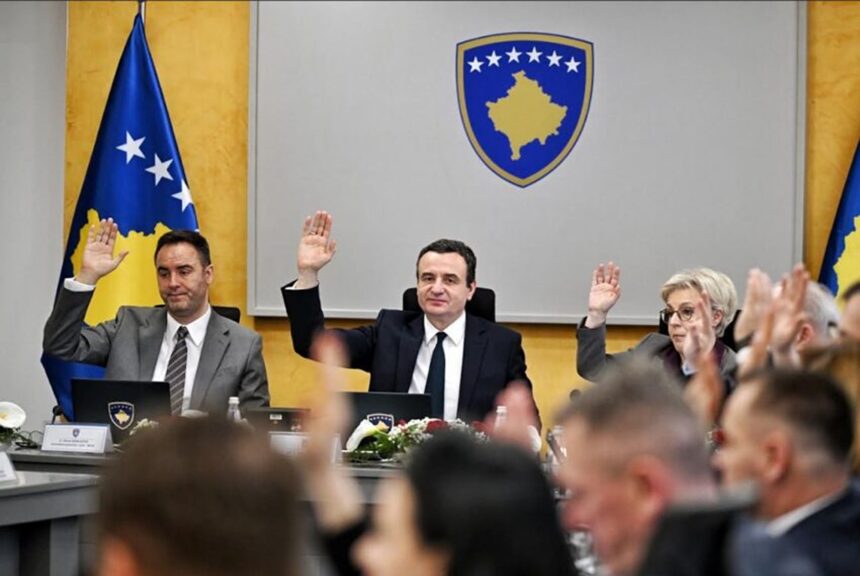
Kosovo’s caretaker government held an electronic session late tonight, passing a series of urgent institutional appointments, capital budget allocations, and international financial commitments.
The fast-tracked measures aim to maintain state continuity and ensure Kosovo meets its international banking obligations despite its current transition status.
1. Restructuring the Kosovo Financial Reporting Council
A primary outcome of the electronic session was the formal appointment of new leadership to the Kosovo Council for Financial Reporting (KKRF). The newly formed oversight board is tasked with aligning corporate accounting practices and auditing standards with European Union directives.
The newly appointed council members include:
- Rrezarta Korbaj (Chairperson)
- Kimete Zekaj (Member)
- Vlora Prenaj (Member)
- Samir Lleshi (Member)
- Fadil Sallteku (Member)
- Kosovare Demi-Rama (Member)
- Altin Sahiti (Member)
2. Emergency Funding Unlocked for Industrial and Transparency Projects
The cabinet approved a direct budget request from the Ministry of Industry, Entrepreneurship, Trade, and Innovation (MINDUST), releasing €122,000 to fund two critical, dual-track developmental projects.
Allocation of the €122,000 Special Budgetary Envelope

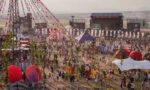
 [ THE PHYSICAL ASSET ] ──► BËRNICË FAIR CENTER RENOVATION
 • Restoring and upgrading the national exhibition facility in Bërnicë
   to revive regional trade fairs and attract foreign direct investment.

 [ THE DIGITAL ARCHITECTURE ] ──► BENEFICIAL OWNERSHIP REGISTER
 • Establishing a transparent "Register for Beneficial Owners" to combat
   financial crime, map shell companies, and satisfy Western anti-money laundering standards.
3. Securing Voting Power at the EBRD
To reinforce Kosovo’s standing within global economic institutions, the caretaker government authorized a payout of €154,000 to the European Bank for Reconstruction and Development (EBRD).
Strategic Financial Mechanics with the EBRD
┌────────────────────────────────────────────────────────────────────────┐
│                                                                        │
│  [ INCREASING CAPITAL QUOTA ] ─────────────────────────────────────┐   │
│  • The payment directly expands Kosovo's statutory capital quota       │   │
│    and equity ownership shares within the international lender.        │   │
│                                                                        │   │
│  [ AMPLIFYING INSTITUTIONAL LEVERAGE ] ────────────────────────────┤   │
│  • Expanding the quota directly increases Pristina's voting power      │   │
│    and negotiating leverage during high-level project selections.      │   │
│                                                                        │   │
│  [ UNLOCKING INFRASTRUCTURE LINES ] ───────────────────────────────┘   │
│  • Maintaining standing ensures continuous credit lines for macro      │
│    infrastructure projects, including regional highway grids and green energy.│
│                                                                        │
└────────────────────────────────────────────────────────────────────────┘
| Beneficiary Institution | Transferred Amount | Immediate Strategic Objective |
| Ministry of Industry (MINDUST) | €122,000 | Financing municipal infrastructure upgrades and anti-corruption registries. |
| European Bank for Reconstruction and Development (EBRD) | €154,000 | Securing national capital subscription assets and safeguarding sovereign credit lines. |
By executing these targeted financial movements, the caretaker executive ensures that vital domestic compliance structures and strategic international relationships remain active during the ongoing political transition.