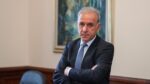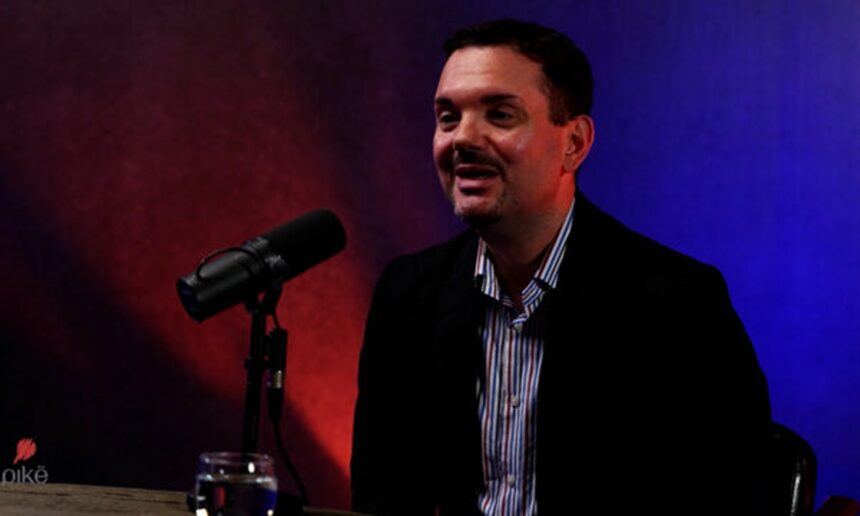
Serbian historian Milivoj Bešlin says Montenegro’s progress toward European Union membership is causing growing unease within the government of Serbian President Aleksandar Vučić.
According to Bešlin, the consolidation of Montenegro’s statehood and its path toward EU accession represent a significant setback for the idea of a “Greater Serbia.”
He argued that Belgrade’s recent reactions—including incidents surrounding the EU–Western Balkans Summit in Tivat and verbal attacks during the celebrations marking the 20th anniversary of Montenegro’s independence—reflect this growing anxiety.
“With Montenegro’s formal accession to the EU—hopefully by 2028, or even by 2030—it will be a major blow to the idea of a Greater Serbian state. In recent weeks, we have witnessed increasing nervousness, from the incidents Vučić caused or attempted to provoke at the EU–Western Balkans Summit in Tivat to the latest attacks coming from Belgrade during the 20th anniversary of Montenegro’s independence,” Bešlin said.
He added that recent political developments and the population census have demonstrated growing legitimacy for Montenegro’s statehood, while the country’s European integration enjoys broad support from both the governing coalition and the opposition.
According to Bešlin, Vučić’s government is attempting to export Serbia’s domestic political crisis, which he described as having evolved into a broader crisis of legitimacy surrounding the Serbian president himself.