French authorities have opened an investigation into suspected Russian interference in the country’s upcoming presidential election following a series of disinformation operations targeting prominent potential candidates.
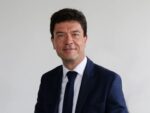
The Paris Prosecutor’s Office is investigating the distribution of manipulated materials and fabricated content aimed at potential presidential contenders Gabriel Attal, Édouard Philippe and Raphaël Glucksmann.
On August 7, Attal filed a complaint accusing Russia-linked networks of conducting an influence campaign against him. According to his lawyers, social media accounts circulated deepfake videos and fake websites designed to resemble French news outlets, falsely portraying Attal as a drug user and claiming that he suffers from Parkinson’s disease.
Similar false claims have targeted former Prime Minister Édouard Philippe, including fabricated allegations concerning his health.
Disinformation targeting Glucksmann has also focused on his partner, journalist Léa Salamé, who has been falsely accused of media corruption. Glucksmann announced on August 12 that he had also filed a complaint over the material.
Viginum identifies Russia-linked networks
France’s foreign-interference monitoring agency Viginum, which tracks and counters foreign manipulation of the digital information environment, has identified the Russia-linked networks Storm-1516 and Matryoshka as possible organizers of the campaign.
According to French authorities, the operations seek to create and distribute fabricated content designed to appear as legitimate reports from established media organizations, giving false information the appearance of credible journalism.
Such operations are intended to amplify political polarization, damage the reputations of political figures and undermine public confidence in democratic institutions and the electoral process.
The investigation comes amid broader concerns among European governments over suspected Russian influence operations targeting democratic countries. The Matryoshka network, in particular, has previously been associated with fabricated materials designed to imitate publications by major international news organizations.
French investigators are expected to examine the origin of the material, how the campaign was coordinated and who may be responsible for organizing or financing the operations.
The case highlights the growing role of deepfakes, fabricated news websites and coordinated social media campaigns in modern political influence operations, particularly as European countries prepare for major elections.