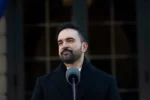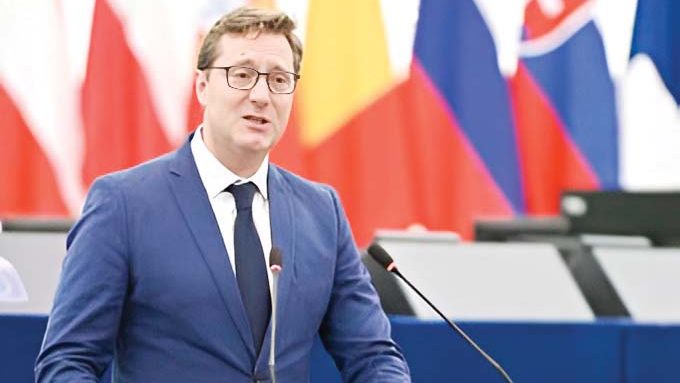
European Parliament member Vladimir Prebilič of the Greens/EFA group has criticized reports of surveillance targeting students, activists and opposition figures in Serbia, arguing that the country has moved rapidly from the use of a sound cannon against protesters to the deployment of spyware.
“There was a short path from the use of the sound cannon in March 2025 to a fully operational spyware campaign targeting key opposition and student activists in Serbia,” Prebilič wrote on X.
His comments followed reports that at least 14 students, civil-society activists and opposition politicians had been targeted with allegedly unauthorized spyware through their mobile phones since the beginning of the year.
Prebilič also criticized a planned visit to Belgrade by European Commission President Ursula von der Leyen and EU Enlargement Commissioner Marta Kos, arguing that such visits could create what he described as a false impression of political normality in Serbia.
“There is absolutely no justification for Marta Kos and von der Leyen to visit Belgrade next month and create a false impression of normality,” he said.
The remarks come amid growing scrutiny of alleged surveillance of Serbia’s student movement and opposition figures, as well as wider concerns over the treatment of protesters and civil-society organizations.
Reports cited by Danas have indicated that spyware was used against at least 14 individuals, including student activists and opposition politicians. The allegations have intensified concerns among rights groups and European officials over the use of sophisticated surveillance technologies against political opponents and civil society.
The issue is also likely to add pressure to the European Union’s assessment of Serbia’s democratic institutions and rule-of-law standards as Brussels continues to engage with Belgrade on its EU accession process.
Prebilič’s intervention reflects a broader European debate over whether continued high-level engagement with Serbian authorities should be accompanied by stronger scrutiny of alleged abuses involving surveillance, protests and political freedoms.