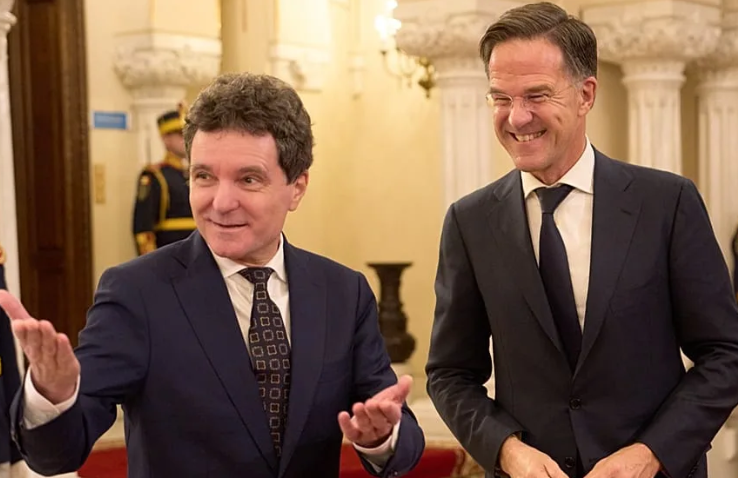
Bucharest, November 5, 2025 — NATO Secretary General Mark Rutte sought to reassure allies on Wednesday following concerns over the partial withdrawal of U.S. troops from Romania, emphasizing that Washington remains fully committed to the defense of NATO’s eastern flank.
Speaking during a visit to Romania, Rutte said that adjustments in the positioning of American forces are not unusual, adding that even after the recent changes, the U.S. military presence in Europe remains larger than it has been in many years.
“I think we are making too much noise about this withdrawal,” Rutte remarked, underlining that the United States continues to play a crucial role in Europe’s collective security.
Last week, the U.S. announced the withdrawal of one brigade from Romania without immediate replacement, calling it a positive signal of growing European defense capability and responsibility.
Despite this move, Washington maintains a robust military presence across Europe, capable of responding swiftly to any threats against NATO members.
NATO Exercises Signal Readiness
Rutte highlighted upcoming operations such as “Eastern Sentry” and the “Dacian Fall” military drills in Romania and Bulgaria, involving around 5,000 troops from ten NATO member states. These exercises, he said, demonstrate the alliance’s readiness to defend every inch of its territory and to deploy reinforcements rapidly when needed.
Romania Confident in NATO Coordination
Romanian President Nicușor Dan said his government has no concerns regarding the U.S. withdrawal, stressing that the coordinated military exercises reflect strong transatlantic cooperation and strategic mobility among NATO forces.
“Romania continues to work closely with all allies to ensure the security of our citizens and our region,” Dan stated.
The message from Rutte was clear: NATO’s unity and deterrence remain intact, and any adversary considering aggression against a member state should “not even think about it.”