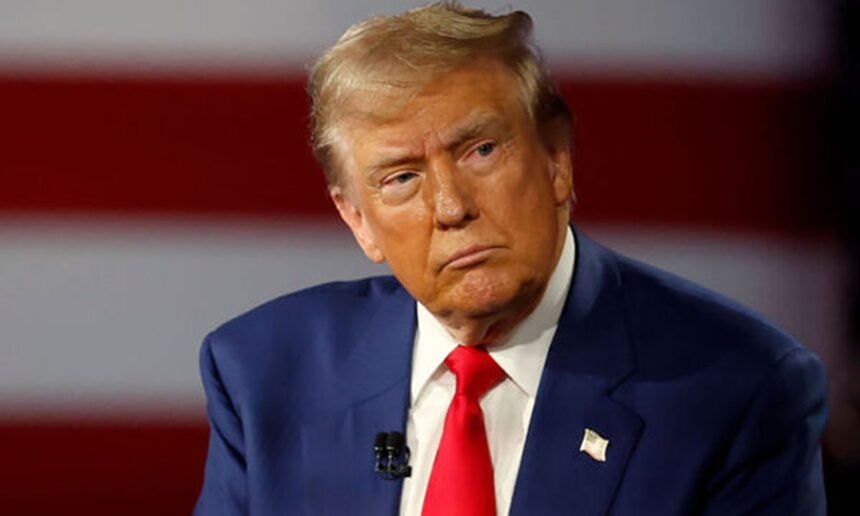
The U.S. House of Representatives has passed a historic War Powers Resolution targeting Donald Trump’s military campaign in Iran. Four Republican defectors paved the way for the 215–208 vote, drawing an angry social media counter-attack from the President.
U.S. President Donald Trump has fiercely condemned a bipartisan House resolution aimed at curtailing his commander-in-chief authorities, labeling the legislative maneuver “unpatriotic.” The resolution demands the withdrawal of U.S. forces from active hostilities against Iran unless explicitly sanctioned by Congress.
The political firestorm erupted after the Republican-controlled House of Representatives voted 215 to 208 to pass the measure. The legislative breakthrough succeeded only because four anti-interventionist Republicans broke party ranks to side with a unified Democratic caucus, delivering the first major congressional rebuke to Trump’s military campaign against the Islamic Republic, which began on February 28.
Taking to social media immediately following the vote, Trump launched a scathing attack on the defectors and the broader Democratic opposition, arguing that Capitol Hill is actively undermining delicate, back-channel diplomacy aimed at reopening the vital Strait of Hormuz.
“Yesterday, in a meaningless vote, the House voted—with 4 bad Republicans and all of the ‘Dumocrats’—to limit my War Powers, right in the middle of my final negotiations to end the War with the Islamic Republic of Iran,” Trump stated. “Who would do something so unpatriotic? They know where the negotiations stand. The Democrats are fueled by Trump Derangement Syndrome.”
The Maverick Four: Meet the Republican Defectors
House Speaker Mike Johnson had previously pulled the legislation from the floor in late May during an unannounced recess, attempting to shield the White House from political embarrassment. However, the delay failed to break the resolve of the four GOP lawmakers who chose to enforce constitutional checks over party loyalty:
- Thomas Massie (R-KY): A staunch libertarian-isolationist who co-sponsored the bill, asserting that “The People’s House is sending a message: end this war.”
- Brian Fitzpatrick (R-PA): A moderate who defended his vote on strict statutory grounds, noting that the conflict has blown past the legal 60-day limit set by the 1973 War Powers Act. “You either follow the law or you change the law. You can’t violate it,” Fitzpatrick told reporters.
- Warren Davidson (R-OH): A conservative veteran who argued that Congress must reclaim its exclusive constitutional authority to authorize prolonged military force.
- Tom Barrett (R-MI): A freshman representative who faced intense pressure from party leadership but ultimately voted to halt the unauthorized deployment.
┌────────────────────────────────────────────────────────────────────────┐
│               House Roll Call: War Powers Resolution                   │
├───────────────────────────────────────┬────────────────────────────────┤
│ VOTING BLOC                           │ VOTE COUNT                     │
├───────────────────────────────────────┼────────────────────────────────┤
│ House Democrats                       │ 211 (Unanimous Yea)            │
├───────────────────────────────────────┼────────────────────────────────┤
│ GOP Defectors                         │ 4 (Massie, Fitzpatrick,        │
│                                       │    Davidson, Barrett)          │
├───────────────────────────────────────┼────────────────────────────────┤
│ House Republicans                     │ 208 (Nay)                      │
├───────────────────────────────────────┼────────────────────────────────┤
│ Total Tally                           │ 215 Yea / 208 Nay (Passed)     │
└───────────────────────────────────────┴────────────────────────────────┘
Constitutional Standpoint vs. Oval Office Discretion
The legislative push was engineered by Representative Gregory Meeks of New York, the ranking Democrat on the House Foreign Affairs Committee. Meeks framed the ongoing, three-month-old war as a costly conflict of choice that is driving up global energy prices and straining American resources at local supermarkets.
Because the measure was structured as a concurrent resolution, it does not legally require the President’s signature to be documented as an official congressional position. However, defense experts note that a concurrent resolution lacks the statutory teeth to force an immediate troop withdrawal without an absolute two-thirds supermajority in both chambers to override an inevitable presidential veto.
The White House, backed by Secretary of State Marco Rubio, continues to reject the resolution’s core premise. Rubio testified before Congress that U.S. forces have transitioned into a “completely defensive” posture following a tentative ceasefire brokered in April, thereby resetting the War Powers Act clock.
Rubio warned that passing such resolutions signals American weakness, giving Tehran the impression that Trump’s hands are legally tied and destroying Washington’s leverage to lock down a permanent peace deal over the weekend. With the resolution now moving to the Senate—where a handful of Republican senators have already signaled a willingness to cross party lines—the stage is set for a historic constitutional showdown over who holds the ultimate authority to wage war.