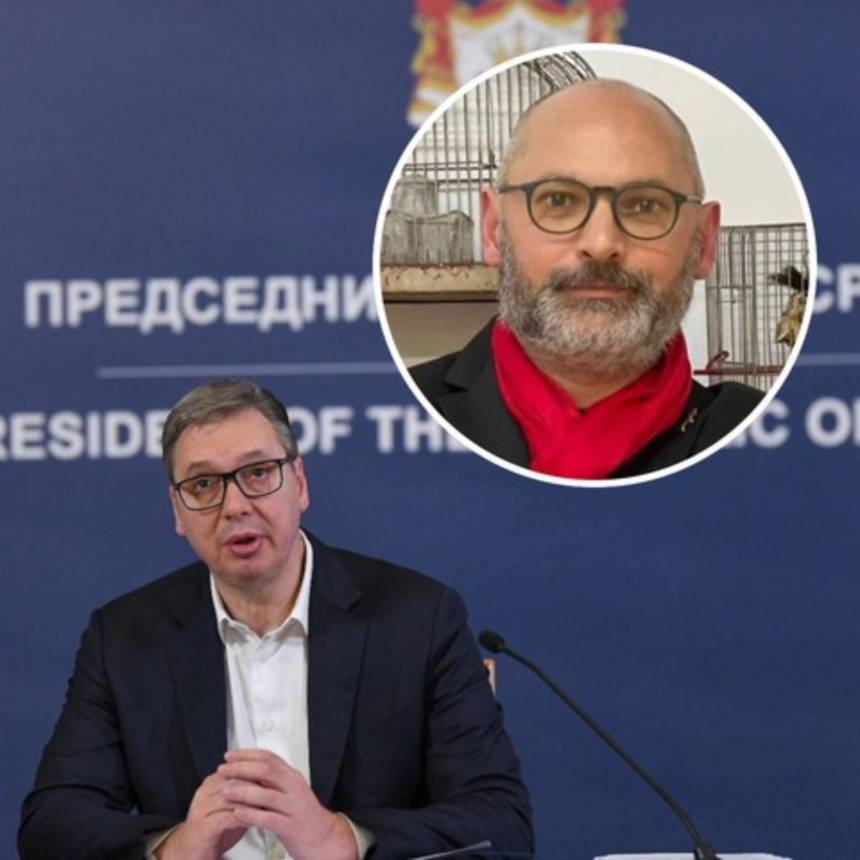
Domagoj Margetić, a Croatian investigative journalist known for pursuing controversial wartime claims, has alleged that wealthy foreign nationals paid to take part in the killing of civilians during the 1990s siege of Sarajevo.
In a public post, he stated that **the German parliament had formally taken up the issue**, referring to a parliamentary question submitted in the Bundestag concerning what he described as “safari hunting of people” during the war. According to Margetić, the initiative sought clarification from the German government on whether German citizens were involved, what authorities knew at the time, and whether investigations had been conducted. He framed the development as a significant step toward official acknowledgment of the allegations.
Margetić has described the phenomenon as organized “sniper tourism,” claiming that participants sometimes referred to as “weekend snipers” were transported to positions overlooking the city and allowed to fire on civilians. He has filed a criminal complaint with prosecutors in Milan and has publicly asserted that these activities were not isolated incidents but part of structured operations involving intermediaries and logistical coordination, in some cases routed through Belgrade.
He has also claimed the existence of documentary evidence and witness testimony, while warning of alleged obstruction, including the deaths of individuals he describes as key witnesses.
Among his most contentious assertions are allegations involving high-profile figures, including Serbian President Aleksandar Vučić. Vučić has firmly denied any involvement, calling the accusations false and politically motivated, and no publicly available evidence has substantiated those specific claims.
These allegations long considered fringe have now entered formal political scrutiny in Germany. The Bundestag inquiry, submitted by Green Party lawmakers, is pressing the federal government to clarify what it knows about the alleged phenomenon and whether German citizens or institutions were in any way involved.
The inquiry seeks detailed information on what German intelligence and law enforcement agencies knew at the time, whether any investigations have been conducted, and if authorities cooperated with international efforts, including those of the International Criminal Tribunal for the former Yugoslavia.
It also raises broader concerns about the **motivations and possible networks behind the alleged acts**, asking whether participants were driven by anti-Muslim racism or linked to far-right extremist circles, and whether there were connections to extremist or terrorist organizations in their home countries.
Further, lawmakers are examining whether there is evidence of organized logistics behind the alleged activities, including potential facilitation by actors in Bosnia and Herzegovina during the war.
The move reflects a wider European effort to revisit unresolved aspects of the Bosnian War. Prosecutors in Italy and other countries are reviewing testimony suggesting that individuals from across Europe paid large sums to participate in sniper attacks during the siege, which lasted from 1992 to 1996 and left more than 10,000 people dead.
Public attention to the allegations has also been renewed by the 2022 documentary *Sarajevo Safari*, which explores claims of foreign involvement in shootings targeting civilians.
Despite growing scrutiny, the core allegations remain unproven. The Bundestag inquiry marks a significant step toward determining whether these claims can be substantiated and whether accountability is still possible decades after the war.
Here is his original post: