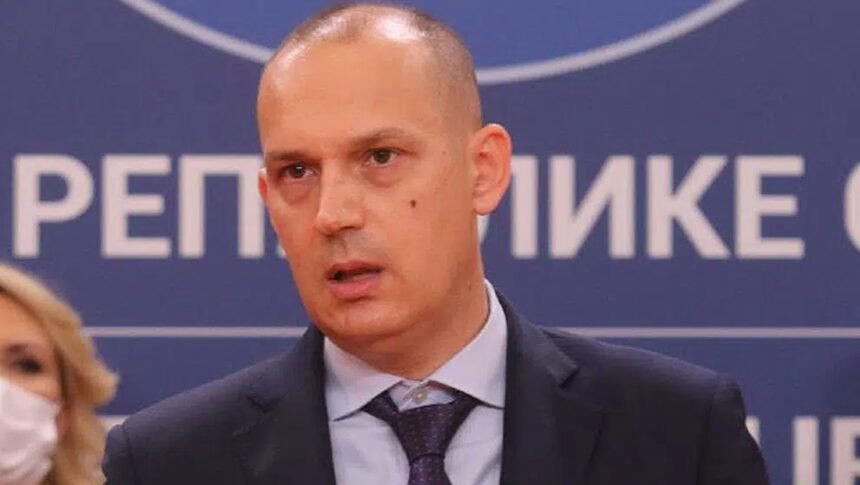
Serbia’s Health Minister, Zlatibor Lončar, made a striking statement on pro-government Pink TV, claiming that an “assassination attempt” against President Aleksandar Vučić had been avoided — a narrative critics say is being used by the regime to distract from the ongoing unrest and intensifying protests in Belgrade and Novi Sad.
Lončar alleged that Miša Bačulov, a Novi Sad MP from the “Be a Hero” movement, had “planned a scenario” that would lead to an emergency session of the United Nations, Brussels, or Strasbourg, accusing Vučić of being a dictator and murderer.
“If he had succeeded in what he wanted, today we would probably have a meeting at the UN or in Brussels, where everyone would be saying that Aleksandar Vučić is a dictator, a murderer, and that sanctions should be imposed on Serbia,” Lončar declared — echoing the government’s increasingly paranoid rhetoric about international isolation.
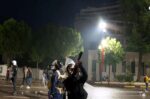
The minister further claimed that the area in front of the National Assembly is “the only registered protest site,” suggesting that others are “illegal” — a statement widely seen as an attempt to delegitimize spontaneous civic gatherings in support of hunger striker Diana Hrka and protesting students.
Lončar went as far as to state that “yesterday, the collapse of Serbia and the assassination of President Vučić were avoided,” dramatically portraying the president as a near-martyr.
“What kind of life is left for him after being called a murderer, and what kind of life is left for his children?” he said, framing Vučić as a personal victim rather than a political leader accountable for a national crisis.
The Higher Public Prosecutor’s Office in Belgrade announced that Bačulov and another individual were arrested on suspicion of “planning and coordinating actions” that would create conditions for the alleged crime of “Attack on the Constitutional Order.” The accusation — that Bačulov had supposedly planned to poison himself and blame Vučić — has raised deep skepticism among legal experts and opposition voices, who see it as a fabricated case meant to justify a broader crackdown.
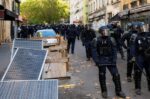
The timing of the arrests, coming amid days of violent police repression, citizen blockades, and rising tensions outside the Serbian Parliament, has fueled accusations that the regime is manufacturing conspiracy plots to cover up its own failures and corruption.
For many observers, Lončar’s words reveal a familiar pattern — the regime’s use of fear, victimhood, and state-controlled media to suppress dissent and rally sympathy for a president increasingly isolated from his people.