

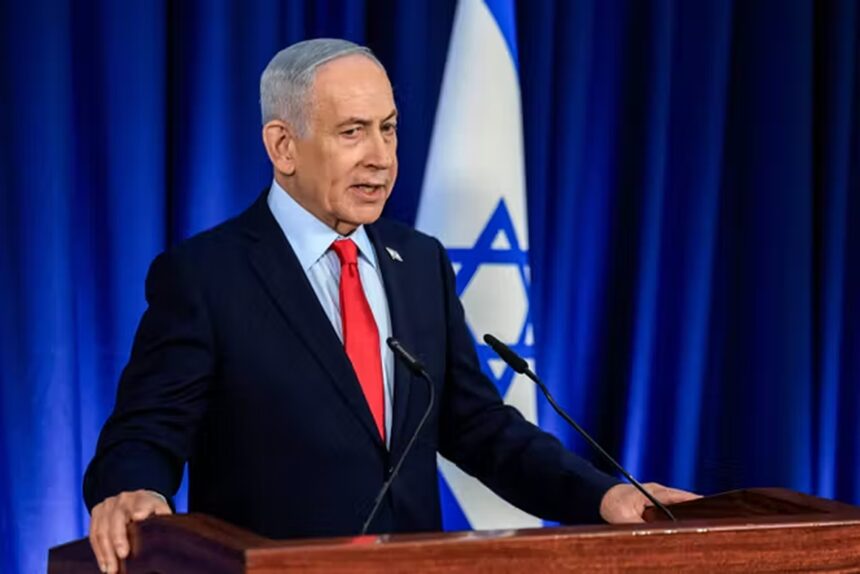
Israeli voters have gone to the polls in parliamentary elections held amid heightened political and security tensions, with the outcome expected to shape Prime Minister Benjamin Netanyahu’s political future following years of conflict and growing international criticism of Israel.
The election is the first parliamentary vote since the Hamas-led attacks of October 7, 2023, which killed around 1,200 people, most of them civilians, and triggered Israel’s devastating military campaign in Gaza. The conflict has also contributed to wider regional instability, including a confrontation with Iran.
Pre-election polls suggest that Netanyahu’s coalition could lose its majority in the 120-seat Knesset, Israel’s parliament. However, opposition parties may also struggle to secure the 61 seats needed to form a government, leaving the post-election political landscape uncertain.
A decisive test for Netanyahu
The vote is widely viewed as a referendum on Netanyahu’s leadership and his handling of the country since the October 7 attacks.
His government has faced criticism over the security failures that preceded the attacks, the conduct and consequences of the war in Gaza, and Israel’s deteriorating international standing.
Netanyahu is also facing corruption proceedings in three separate cases, which continue alongside his political responsibilities.
U.S. President Donald Trump has expressed support for Netanyahu and called for him to receive a pardon. However, the legal proceedings remain ongoing.
War and international pressure shape the vote
The war in Gaza remains central to the political debate, with Israeli military operations causing extensive destruction and a devastating loss of Palestinian life.
According to figures cited in media reports, the Palestinian death toll in Gaza has reached at least 75,000.
The conflict, together with the broader regional confrontation involving Iran, has intensified debate over Israel’s security strategy and the government’s handling of the crisis.
Although Netanyahu’s coalition faces the possibility of losing power, the opposition’s ability to assemble a stable parliamentary majority is also uncertain.
The election could therefore mark a turning point in Israeli politics, but the final outcome will depend not only on the distribution of seats but also on whether rival political blocs can negotiate a viable governing coalition.