The Municipality of Nikšić has rejected an initiative by the Democratic People’s Party (DNP) to adopt a declaration seeking the “withdrawal of recognition” of Kosovo, arguing that the municipality has neither recognized Kosovo nor has the legal authority to do so.
Nikšić Mayor Marko Kovačević, a member of the New Serbian Democracy (NSD), dismissed the proposal, stating that the municipality “never recognized Kosovo in the first place, so there is nothing to withdraw.”
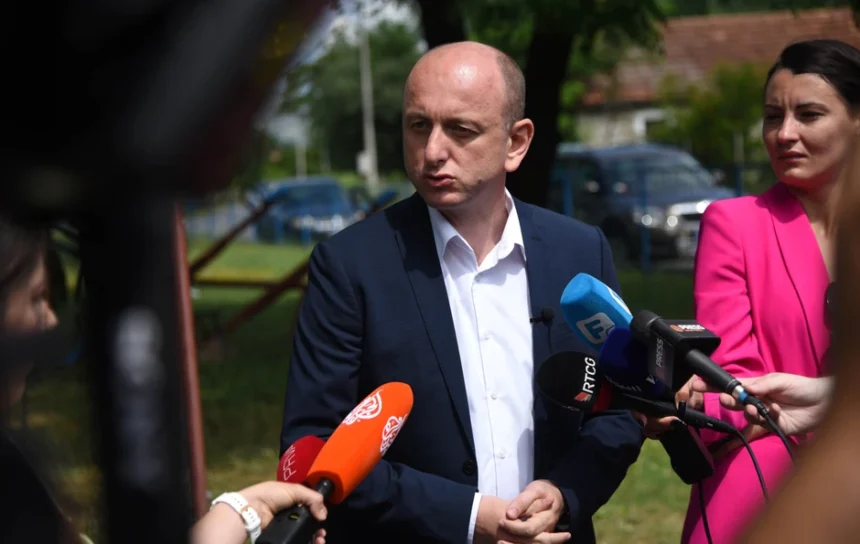
The initiative was submitted by the DNP, led by Milan Knežević, whose local councilors proposed that the Nikšić municipal assembly adopt a declaration revoking Montenegro’s recognition of Kosovo.
According to the proposal, Montenegro’s 2008 decision to recognize Kosovo was described as being “against the will of the majority of citizens,” while Kosovo was referred to as “an inseparable part of Serbia.”
However, the ruling NSD rejected the initiative, emphasizing that recognition of states falls exclusively within the jurisdiction of the national government, not local municipalities.
The party recalled that it had taken the same position in 2012, when it rejected a proposal that allegedly linked local political arrangements to recognition of Kosovo.
“We said then, as we do now, that this is not within the competence of local self-government. Those who believe municipalities recognized Kosovo, and therefore should now withdraw recognition, may continue with such initiatives, but that will not happen in Nikšić,” the NSD said in its response.
According to Montenegrin daily Pobjeda, European Union officials have informally warned Montenegro’s authorities against initiatives aimed at withdrawing recognition of Kosovo, arguing that such moves could seriously undermine the country’s European Union accession process. The report cited unnamed sources, and no official EU statement has been issued on the matter.
The development highlights growing differences within Montenegro’s pro-Serbian political bloc over how to approach the issue of Kosovo, despite the parties’ traditionally aligned positions.