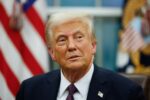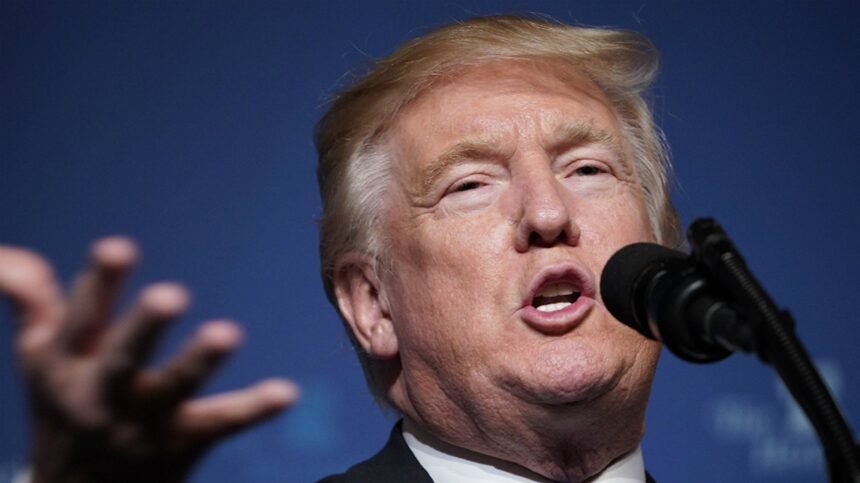
U.S. President Donald Trump has indicated that American forces may expand anti-cartel efforts onto Mexican soil, signaling a significant escalation in the campaign against drug trafficking groups that would follow months of maritime operations targeting narco-vessels.
In a January 9 interview with Fox News, Trump said the United States is planning to “start now hitting land” in its effort to confront drug cartels — which he claimed are “running Mexico.” He framed this as a shift from previous naval operations in the eastern Pacific and Caribbean Sea toward possible ground-based action.
What Trump Said
- Trump said U.S. forces would begin operations targeting cartels on land, without providing details on timing, scope, or authorization for such actions.
- He characterized cartels as responsible for widespread drug-related harm in the United States, but analysts note that some of the claims about deaths are not corroborated by official public health data.
Mexico’s Position and International Concerns
Mexico’s government, led by President Claudia Sheinbaum, has firmly rejected the idea of U.S. military intervention on Mexican territory, stressing that such action would violate Mexico’s sovereignty and constitutional principles of non-intervention.
Experts say that any unilateral U.S. strikes inside Mexico without consent would breach international law and could severely strain bilateral relations between the two nations.
Context: Broader Anti-Cartel Campaign
The announcement comes amid a broader Trump administration effort that has included:
- Maritime strikes against suspected drug trafficking vessels in international waters.
- Designation of Mexican cartels as terrorist organizations — a move that fueled speculation about the use of military force.
- Historical planning inside the U.S. government for possible covert operations, including the involvement of elite units and intelligence agencies, though deployment has not been finalized.
Legal and Political Hurdles
It remains unclear whether Trump would seek Congressional authorization for any ground military actions, which under the U.S. Constitution is typically required for offensive operations abroad.