The world is facing an increased risk of extreme weather as the El Niño climate phenomenon intensifies, with the World Meteorological Organization (WMO) warning that the current episode could become one of the strongest recorded in decades.
According to the BBC, the WMO expects El Niño to persist at least through February 2027 and says that, if current forecasts are confirmed, it could become the strongest episode recorded since at least 1950.
UN Secretary-General António Guterres warned that the world is entering an unusual period of extreme weather.
“El Niño is growing before our eyes. Science leaves no room for doubt: the planet is in uncharted waters, and these waters are warming,” Guterres said.
What is El Niño?
El Niño is a natural climate phenomenon that develops in the Pacific Ocean and can alter wind patterns, rainfall and temperatures across large parts of the world.
In recent months, sea-surface temperatures in the central and eastern tropical Pacific have risen significantly. In the main monitoring region, temperatures have been more than 2 degrees Celsius above average.
Forecasts suggest monthly sea-surface temperatures could approach 4 degrees Celsius above normal, which would place the episode among the strongest El Niño events.
Temperatures beneath the surface of the Pacific have been even higher, exceeding 8 degrees Celsius above average in some areas.
Drought, flooding and higher temperatures
El Niño can produce very different effects depending on the region.
The WMO expects drier-than-normal conditions across large parts of Southeast Asia, Central America and northern South America, increasing the risk of drought and wildfires.
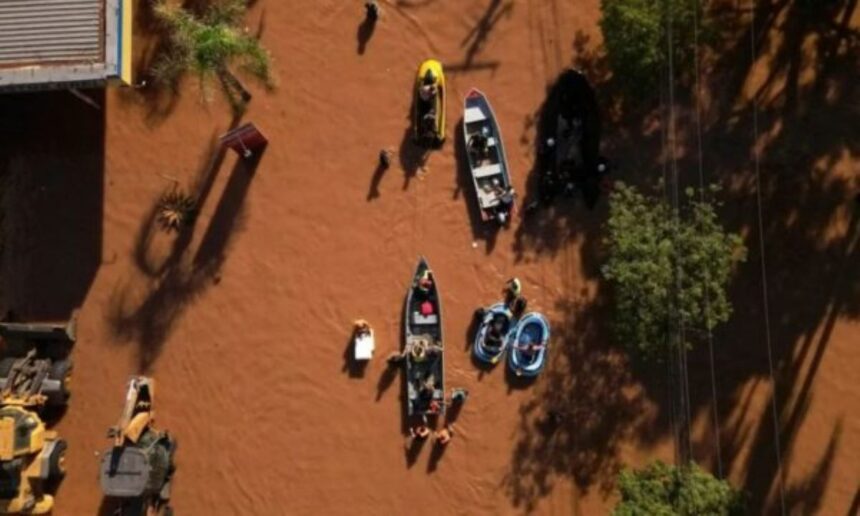
Meanwhile, parts of East Africa, southern Brazil and the southern United States could experience heavier-than-usual rainfall and an increased risk of flooding.
Rising temperatures are another major concern. El Niño can temporarily add to global temperatures, potentially amplifying the effects of human-driven climate change.
WMO Secretary-General Celeste Saulo warned that El Niño has the potential to deliver a major shock to communities and economies around the world.
Australia faces particular risks
Australia is among the countries preparing for potential impacts, particularly because of unusually warm ocean temperatures.
Scientists are warning of marine heatwaves in parts of the country that could affect ecosystems and marine life.
Australian researcher Alistair Hobday told the BBC that southern Australia is particularly vulnerable. Previous El Niño episodes have been associated with mass fish deaths, algal blooms and disruptions affecting marine species.
Risks to global trade
The effects of El Niño could also extend to transportation and international trade.
With reduced rainfall expected in some areas, authorities overseeing the Panama Canal have warned of potential restrictions on the number of vessels able to use the vital waterway.
The canal is a major link in global trade and generates billions of dollars in revenue for Panama each year.
In Indonesia, meanwhile, fires have affected more than 107,000 hectares of land during the current dry season. Authorities have been using aircraft to encourage rainfall and help combat fires.
Typhoons and flooding
The impacts could be reversed in other parts of the world.
China is preparing for a potentially high number of typhoons, while parts of Asia and the Pacific could face heavy rainfall and severe storms.
Peru and Ecuador are considered particularly exposed to El Niño-related impacts. Intense rainfall could trigger flash floods and landslides, particularly in urban areas.
Experts stress that El Niño cannot be considered separately from climate change. Global warming may intensify some of its consequences, although scientists are still studying the precise relationship between climate change and the strength of individual El Niño episodes.
Governments are strengthening early-warning systems and preparing measures to protect vulnerable communities.
The message from experts is that concern must translate into preparation. “El Niño does not occur in a vacuum,” they warn, pointing to existing vulnerabilities such as weak infrastructure, inadequate water and drainage systems, and communities already exposed to natural disasters.