Concerns grew on Monday that the fragile ceasefire between the United States and Iran could collapse after U.S. forces seized an Iranian cargo ship accused of violating its blockade, prompting Tehran to vow retaliation.
Efforts to build a more durable peace also appear uncertain, as Iran announced it would not participate in a second round of negotiations that Washington had hoped to launch before the ceasefire expires.
Tensions have centered around the Strait of Hormuz, a critical corridor through which roughly one-fifth of global oil supply passes. The U.S. has maintained a blockade on Iranian ports, while Iran has intermittently restricted maritime traffic in response.
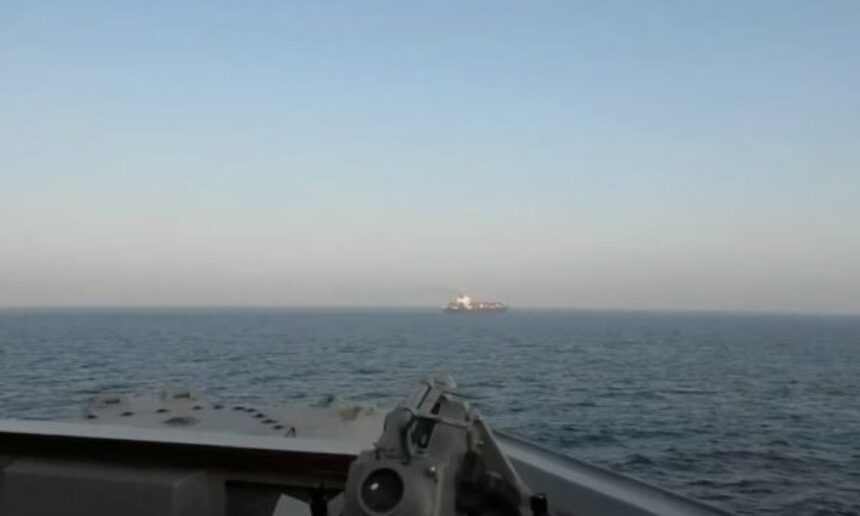
The U.S. military said it intercepted and fired upon an Iranian-flagged cargo vessel heading toward Bandar Abbas. Donald Trump stated on social media that American forces now have full custody of the ship and are inspecting its contents.
Iranian officials said the vessel originated from China and condemned the seizure as “armed piracy,” warning that the country’s armed forces would respond.
The incident has already impacted global markets, with oil prices rising and stock markets showing volatility amid fears of disrupted الخليج trade routes.
Tehran has rejected further peace talks, citing ongoing blockades, threatening rhetoric, and what it called excessive demands from Washington. Iranian First Vice President Mohammadreza Aref warned that restricting Iran’s oil exports while expecting stability for others is unsustainable: “Either a free oil market for all, or significant costs for all.”
Earlier, Trump warned that the U.S. could target Iranian infrastructure if Tehran refuses his terms, while Iran signaled it could retaliate by striking infrastructure in neighboring Gulf states hosting U.S. bases.
Diplomatic efforts continue behind the scenes. Pakistan, acting as a key mediator, is preparing for possible talks in Islamabad. Security measures have intensified, with transport restrictions and heightened protection around key venues.
The war, now in its eighth week, has triggered one of the most significant shocks to global energy supplies in history, largely due to the de facto disruption of shipping through the Strait of Hormuz.
Thousands have been killed amid U.S.-Israeli strikes on Iran and parallel Israeli operations in Lebanon. Iran has responded with missile and drone attacks targeting Israel and neighboring Arab states hosting U.S. bases.
European allies, frequently criticized by Trump, remain concerned that Washington may be pushing for a rushed agreement that would require complex technical negotiations for months or even years afterward.