In June 1999, Kosovo was attempting to heal the wounds of war as refugees returned to their homes.
In this context, NATO launched the KFOR peacekeeping mission to create a safe environment and prevent a resurgence of violence. While not NATO’s first intervention in the Balkans, KFOR became the longest-running and largest active operation, and one of the alliance’s most successful missions.
The multinational force initially deployed over 50,000 troops, including approximately 7,000 Americans. The challenges of rebuilding a country devastated by Serbian bombings were immense. Five months after the war, U.S. President Bill Clinton visited the American base at Bondsteel, expressing appreciation for the troops’ efforts:
“I know many of your duties are still dangerous. I appreciate the tireless work you have done to protect all the people of Kosovo, including Serbs. And I value your ongoing mediation among people who still have a long path toward reconciliation,” Clinton said in November 1999.
More than 26 years later, security in Kosovo has improved significantly. KFOR troop numbers have dropped to around 4,700, but this does not guarantee full stability. Political instability and Serbia’s continued refusal to recognize Kosovo’s independence keep security concerns alive.
In this context, any signal of a reduced U.S. role in KFOR takes on particular significance. Changes in global security priorities have prompted discussions about potentially scaling back the American presence in the peacekeeping mission, raising questions about the future of Kosovo’s security architecture.
On February 19, the Pentagon informed Radio Free Europe that there is no notification of a change in troop deployment. Nevertheless, U.S. media outlet Politico reported that the United States is urging allies to review NATO’s foreign commitments, including in Kosovo.
This is not a new phenomenon. Last February, U.S. Secretary of Defense Pete Hegseth warned that the continent should prepare for a review and potential reduction of U.S. military presence, linking decisions to global threats and Washington’s strategic priorities.
U.S. Vice President JD Vance emphasized that maintaining troops in Europe could be affected by regional politics, citing examples of citizen punishments for social media posts.
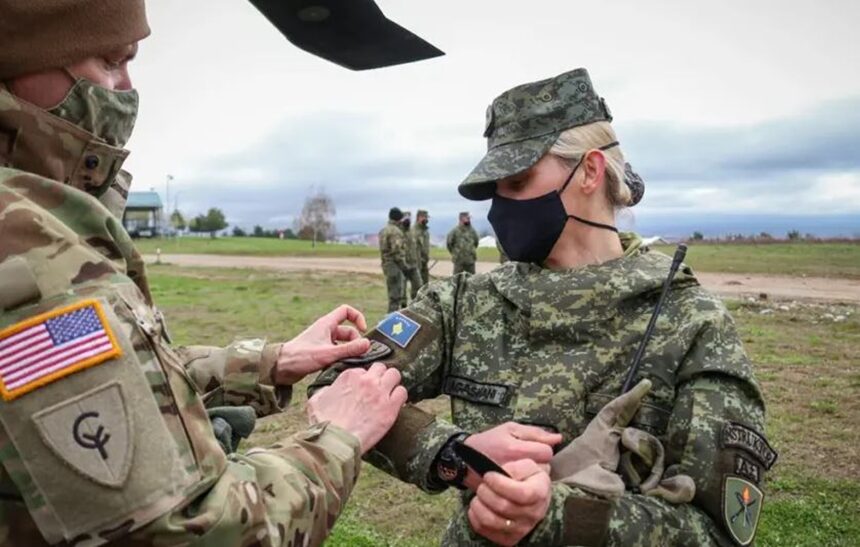
Today, Kosovo is a country where KFOR plays a crucial role in maintaining peace. The mission currently includes 4,686 troops from 29 countries, with significant contributions from Italy, the U.S., Hungary, and Turkey. NATO increased its presence in 2023 following tensions in the Serb-majority north.
The Kosovo Security Force (FSK), still in the process of transforming into a full army, cannot operate in the north without KFOR approval.
Kosovo’s Ministry of Defense budget has increased from €67.3 million in 2021 to over €216 million this year. However, experts note that capacities remain limited due to the high costs of modern weaponry and equipment.
Cooperation with NATO member states and strategic investments in the defense industry could strengthen Kosovo’s operational capabilities.
The U.S. National Defense Authorization Act guarantees 76,000 American troops in Europe and prohibits major equipment withdrawals, but this contrasts with the National Security Strategy, which considers international issues primarily when U.S. interests are threatened.
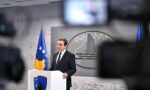
President Vjosa Osmani highlighted the importance of the U.S. and allied military presence under NATO as a key factor for stability. Similar discussions have been held by Kosovo and U.S. ambassadors in Brussels.
Experts warn that any potential U.S. withdrawal could be the greatest test for Europe as a guarantor of continental security. For Kosovo, KFOR is not just a military mission—it is the cornerstone of its peace and stability, linking the painful history of war with the promise of a secure future.