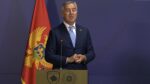
The strategy “Serbia 2030,” presented by Serbian President Aleksandar Vučić, openly reflects territorial ambitions, including portraying Kosovo as part of Serbia’s political and military map.
The political and strategic vision outlined in the document is based on Serbia’s constitution, which defines Kosovo as an autonomous province within Serbia.
Because of this, analysts say Vučić’s statements represent familiar threatening rhetoric that has repeatedly come from Serbian political leadership, confirming what they describe as hegemonic ambitions toward Kosovo.
Security expert Nuredin Ibishi said that such rhetoric does not translate into realistic threats given the current security environment.
“We have sufficient domestic security capacities, but also an international presence here and everywhere. At the same time, commitments from the United States, including statements by President Donald Trump that there will be no border changes, make these risks and the unhealthy appetites of Serbia and its leadership unsustainable,” Ibishi stated.
From the perspective of security experts, Serbia remains the only country in the Balkans that continues to maintain territorial claims toward a neighboring state.
Another security analyst, Arben Dashevci, pointed to previous incidents that he says illustrate the threat.
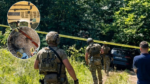
“Do not forget that on September 24, 2023, the Republic of Kosovo was attacked,” Dashevci said, referring to the Banjska attack.
“In November 2024, the main artery of Kosovo — water infrastructure — was targeted. Serbia always exploits situations.”
Dashevci added that Serbia “behaves as a hostile state toward the Republic of Kosovo,” noting that no neighboring country has territorial claims against Serbia, while Belgrade continues to maintain such claims toward Kosovo.
Security experts warn that Serbia’s approach toward Kosovo continues to challenge regional stability, emphasizing that the political rhetoric coming from Belgrade contributes to rising tensions and a climate of insecurity in the region.