Portugal is moving closer to meeting European criteria for declaring an energy crisis, as sharp increases in gas and fuel prices raise concerns about the economic impact on households and businesses.
Environment and Energy Minister Maria da Graça Carvalho warned that the country is approaching the thresholds defined under EU rules, which would allow governments to introduce exceptional measures such as temporary price controls and financial support.
Under EU legislation, including Directive 2024/1788, an energy crisis can only be declared through a collective decision by the Council of the European Union. The criteria include gas prices reaching at least 2.5 times the five-year average or exceeding €180/MWh, as well as steep increases in retail prices.
If triggered, member states could intervene in energy markets — including setting electricity prices below cost — while compensating suppliers and avoiding market distortions.
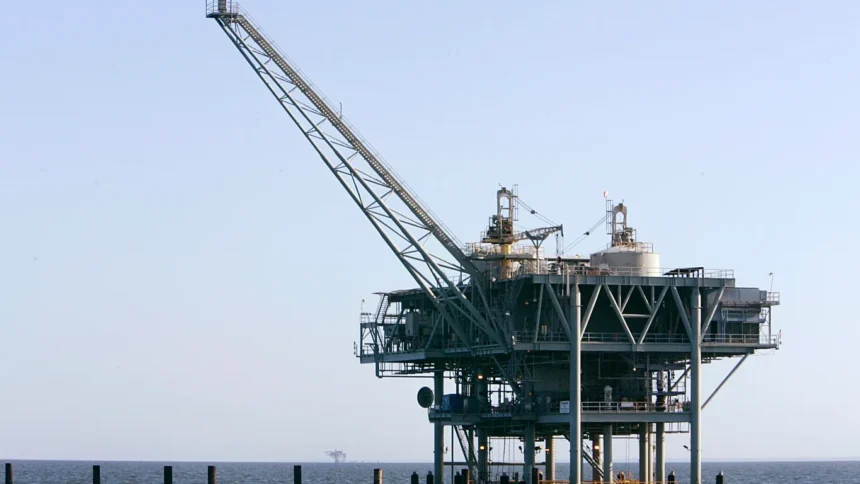
Authorities in Portugal stress that the main concern is natural gas, where prices have risen significantly due to global supply disruptions and geopolitical tensions, particularly linked to constraints in major exporters like Qatar. In contrast, electricity prices remain relatively stable thanks to the country’s strong reliance on renewable energy sources.
The situation reflects broader pressures across Europe, where energy markets continue to feel the impact of geopolitical instability, including the ongoing effects of Russian invasion of Ukraine and recent tensions in the Middle East.
Experts, including those from the International Energy Agency, suggest that reducing energy demand — through measures like teleworking, energy efficiency, and shifts in consumption — could be the fastest way to ease pressure without heavy market intervention.
While no official crisis has yet been declared, the developments highlight growing vulnerability in global energy systems and the potential for rapid escalation if supply disruptions continue.