In a major crackdown on the informal economy and financial crime, Kosovo is imposing a strict limit on physical cash transactions. Starting June 1, any individual transaction exceeding €2,000 must be processed through registered financial channels.
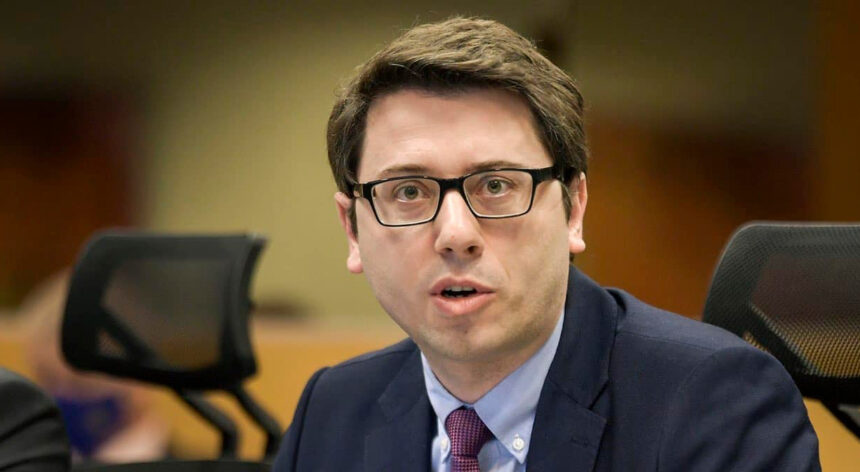
The regulatory directive, issued by the Tax Administration of Kosovo (ATK), was fiercely amplified by Acting Finance Minister Hekuran Murati.
Official Ministerial Directive: “Starting June 1, cash payments for your purchases can only be made up to the value of €2,000,” Murati announced in a public statement. “For purchases above this amount, citizens and businesses are legally obligated to pay via credit/debit card or electronic transfer through financial institutions licensed by the Central Bank of Kosovo (CBK).”
Curbing Informal Capital Flows
The new regulation shifts Kosovo closer to European Union financial standards, where cash transaction ceilings are heavily utilized to fight money laundering, tax evasion, and unregistered informal commerce.
According to the ATK, the rule applies uniformly to individuals and businesses across the country. The tax authority made it clear that compliance is mandatory and that audit teams will be monitoring transactions closely to ensure the law is respected.
[Transaction Payment Matrix — Effective June 1]
   │
   ├─► Under €2,000 ───► Cash accepted, or digital payment.
   │
   └─► Over €2,000 ────► CASH BANNED. Must use: Card payment,
                         E-banking, or Bank wire transfer.
Strict Fines for Violators
The ATK’s warning to the public and the business community was unambiguous, urging consumers and merchants alike to adapt their payment habits immediately to prevent severe financial penalties.
“Respect the limitation established by law and avoid steep fines. Do not pay cash over the allowed limit. Act according to the law,” the ATK stated in its official notice.
The move is expected to trigger a significant push toward digital banking and electronic payment infrastructure across Kosovo’s retail, automotive, and real estate sectors, which have traditionally relied heavily on physical cash transactions.