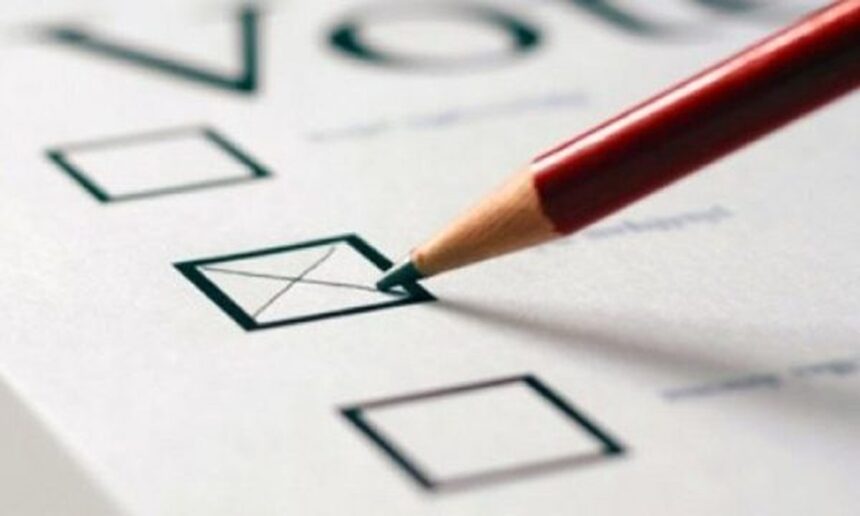
As Kosovo heads toward early parliamentary elections, the question of how to finance the vote has become urgent. The failure of Lëvizja Vetëvendosje (LVV) to form a government has left the country in political limbo, prompting calls from the opposition for immediate elections.
Financing Snap Elections: Murati’s Proposal
Acting Minister of Finance Hekuran Murati addressed concerns about election funding, explaining that:
- No dedicated budget exists for this upcoming vote, as the previous budget allocated to the Central Election Commission (KQZ) has already been spent on three prior elections.
- Funding could come from internal transfers, remaining savings, or budget surpluses within other government programs.
- Murati emphasized that setting an election date must be paired with a plan to secure the necessary financing.
“If the election date is set, there must also be the necessary funding for it to take place,” Murati stated.
Political Implications
The opposition’s push for early elections reflects growing frustration with LVV’s inability to secure a parliamentary majority. Critics argue that LVV’s focus on political maneuvering over coalition-building has left Kosovo in a costly and unstable position.
The use of transfers and budget teprica (surpluses), while legally permissible, raises concerns about fiscal responsibility. With Kosovo already managing multiple budgetary pressures, redirecting funds for snap elections could impact public services and ongoing government programs.
Looking Ahead
Kosovo now faces a dual challenge: resolving the political impasse and ensuring adequate funding for a credible, transparent election process. As the country navigates these obstacles, both the government and opposition will need to act carefully to maintain public trust and institutional integrity.