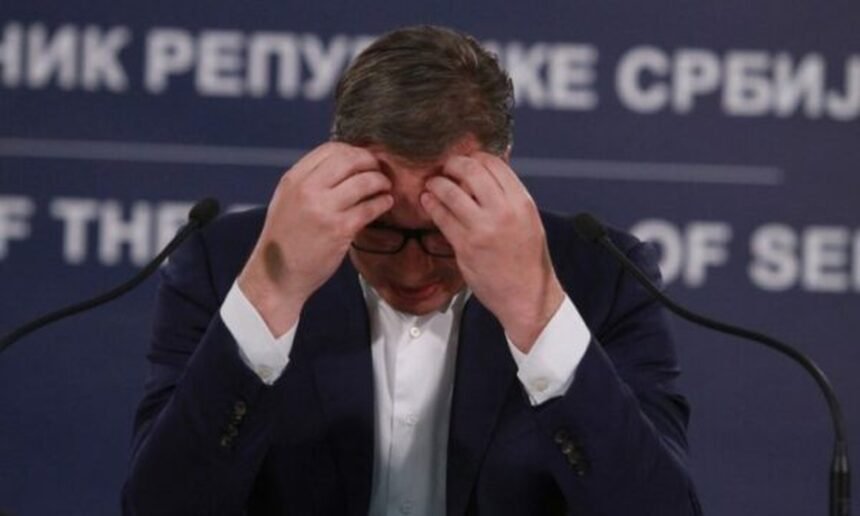
Relations between Serbia and its neighbors are steadily deteriorating, as the confrontational rhetoric of Aleksandar Vučić is seen as pushing the country toward greater regional isolation. In its efforts to position itself as a regional power, official Belgrade is facing rising tensions with nearly all neighboring states—from Croatia and Bosnia and Herzegovina to Montenegro and Kosovo.
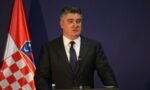
Most recently, Zoran Milanović withdrew an invitation to Vučić for the Brdo-Brijuni Process meeting, citing concerns that his statements and actions undermine regional dialogue and threaten stability in Southeast Europe. The move followed a series of strong remarks by Vučić, who accused Croatia of “working to destabilize Serbia” and warned of potential armed conflict in the region.
His rhetoric has extended beyond Zagreb. In relation to Bosnia and Herzegovina, Vučić has openly supported Milorad Dodik, describing judicial actions against him as an attack on the Serbian people. In Sarajevo, this has been perceived as direct interference in internal affairs, particularly by Presidency member Denis Bećirović.
Meanwhile, relations with Montenegro remain highly strained. Authorities in Podgorica and local analysts accuse Belgrade of political interference, influence through religious structures and media, and attempts to obstruct the country’s path toward European Union integration. Any move by Montenegro toward the EU is often viewed in Belgrade as a threat to its regional influence.
Vučić has also fueled tensions by repeatedly referencing a supposed “military alliance” between Albania, Croatia and Kosovo against Serbia, while downplaying previous cooperation agreements signed by Serbia itself with these countries.
Analysts suggest that this confrontational approach serves more to mobilize domestic political support within Serbia than to ensure regional stability. However, the consequences are becoming increasingly evident: worsening relations with neighbors, rising mistrust, and a growing sense of isolation for Belgrade on the regional stage.
Regional surveys also indicate declining support for Vučić outside Serbia. In Montenegro, more than half of respondents view him as a destabilizing figure, while only a minority consider him a strong statesman.