
The Gulf states are watching with growing concern as tensions between Iran and the United States continue to escalate.
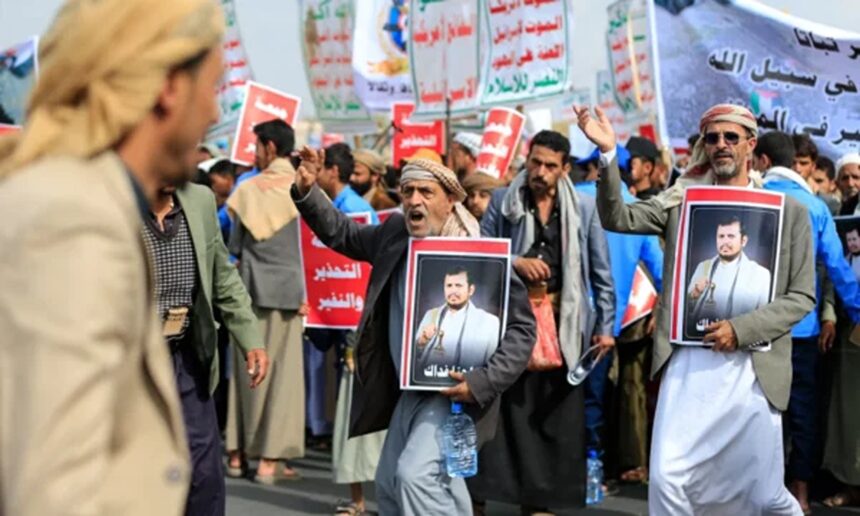
A pattern of strikes and counterstrikes has now become firmly established, while the situation is being further complicated by rising tensions between Saudi Arabia and the Iran-backed Houthi movement in Yemen, which is determined to break the blockade imposed against it.
For now, diplomacy appears to be on the verge of collapse. Multiple visits by delegations from Pakistan and Qatar to Iran in an effort to preserve the ceasefire have given way to growing pessimism among regional diplomats. Qatar itself has reportedly been struck twice during the latest escalation.
Iranian drones have also targeted Oman just days after the two countries held talks on a framework for managing the Strait of Hormuz. In addition, Iran’s Islamic Revolutionary Guard Corps (IRGC) has reportedly attacked vessels operating near Oman’s coastline, while maritime traffic through the Strait of Hormuz has been reduced to a minimum.
Iran has repeatedly warned that it is prepared to intensify attacks against neighboring countries hosting U.S. military bases. The semi-official Fars News Agency published a list of five ports in Bahrain, Saudi Arabia, Kuwait, Qatar, and the United Arab Emirates that it said could become targets if Iranian infrastructure is attacked.
According to Iranian state media, recent U.S. strikes have targeted tunnels, roads, bridges, and railway infrastructure, fueling concerns that the conflict could spiral out of control.
“Every escalation by the United States is followed by an Iranian escalation, with each side attempting to establish new deterrence thresholds through every exchange of attacks,” said Israeli analyst Danny Citrinowicz.
Rather than forcing Iran back to the negotiating table, Citrinowicz argued that “an equally likely outcome is a conflict that exceeds the intentions of both sides, expanding into a much broader regional war with increasingly fewer opportunities for diplomacy to return,” he wrote on X.