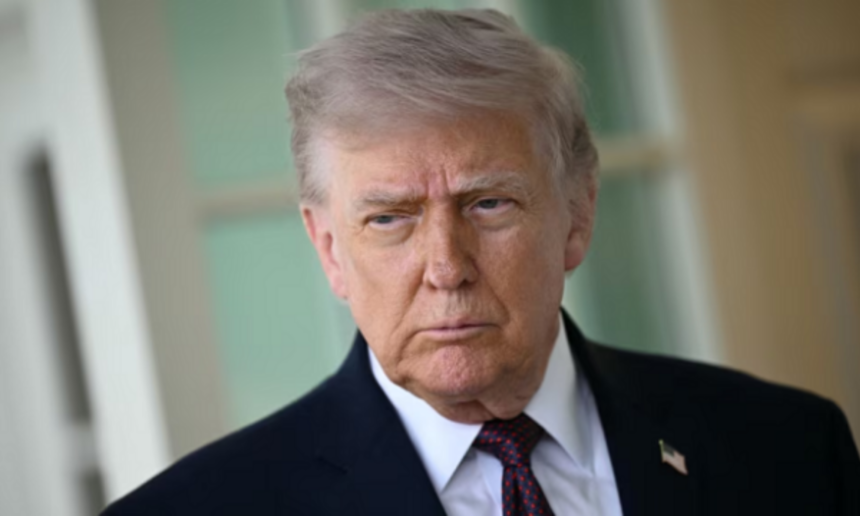
US President Donald Trump has stated that he does not want to extend the temporary ceasefire with Iran, which is set to expire on April 22, while Washington awaits confirmation on whether talks with Tehran will take place.
In a phone interview with CNBC on April 21, Trump said the United States is in a strong negotiating position and expects to reach what he described as a “great deal” once both sides meet.
The planned talks were expected to take place on April 21, but Iran has not officially confirmed whether it will participate. US Vice President JD Vance is reportedly prepared to depart Washington “soon,” according to officials, although no exact timing has been provided.
When asked whether he would extend the current two-week ceasefire, Trump said: “I don’t want to do that. We don’t have that much time.”
He also warned that he expects “bombing to happen,” arguing that it would be a more effective approach to entering the negotiation process.
Pakistan, which has acted as a mediator in the peace process, has called on both the United States and Iran to extend the ceasefire. However, reports suggest Tehran is considering its options while awaiting US compliance with its conditions, including the lifting of the blockade on Iranian ports and recognition of its right to enrich uranium.
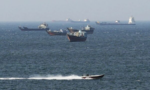
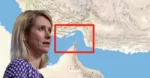
Iran has restricted access through the Strait of Hormuz to all vessels except Iranian ships or those approved by Tehran, further escalating tensions in the region.
Iranian Parliament Speaker Mohammad Baqer Qalibaf, also described as Tehran’s chief negotiator, said on X that Iran is “prepared to reveal new cards” in its confrontation with the US and Israel, accusing Trump of “encirclement and ceasefire violations” and of attempting to turn negotiations into “surrender or a pretext to restart war.”
Trump, meanwhile, has threatened to resume military action and target Iranian civilian infrastructure, including bridges and power plants, if Tehran refuses to accept US conditions.
The first round of talks in Islamabad on April 11–12 reportedly failed to produce an agreement to end the conflict, which began on February 28 following US and Israeli strikes on targets across Iran.
Tensions remain high in the region, with commercial shipping heavily disrupted in the Persian Gulf due to the blockade. Trump has said the blockade will remain in place until a peace agreement is signed.
Despite the disruption, some vessels have reportedly passed through the Strait of Hormuz, according to MarineTraffic data, highlighting ongoing but limited maritime movement in one of the world’s most critical energy routes.