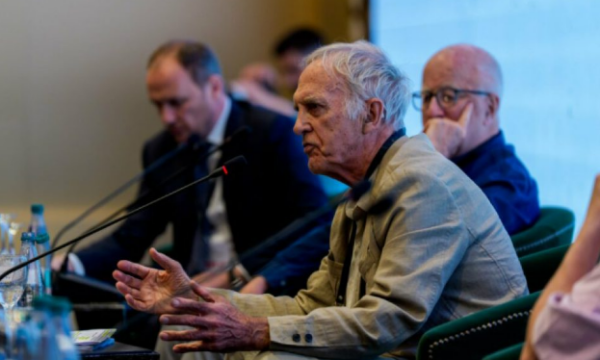
The former head of the OSCE mission in Kosovo, Dutch diplomat Daan Everts, has launched an unprecedented attack on the Kosovo Specialist Chambers (commonly known as the Special Court), labeling it a “disgrace to justice” built on highly questionable foundations and a selective mandate.
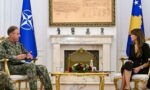
His sharp remarks were delivered during the international conference “Bridges of Memories,” organized in Pristina by the “Liria ka emër” (Freedom Has a Name) platform and the KIPRED institute, marking the anniversary of Kosovo’s liberation.
1. Everts’ Four Core Criticisms of the Tribunal
Everts, who led the OSCE mission in Kosovo during the critical post-war reconstruction period (1999–2001) and possesses deep institutional memory of the region, dissected what he views as the systemic and political failures of the Hague-based court.
Anatomy of Daan Everts' Criticism of the Special Court
┌────────────────────────────────────────────────────────────────────────┐
│                                                                        │
│  [ QUESTIONABLE FOUNDATIONS ] ─────────────────────────────────────┐   │
│  • Based on strained, exaggerated accusations that detach from the     │   │
│    reality of Kosovo's liberation war.                                │   │
│                                                                        │   │
│  [ SELECTIVE MANDATE ] ────────────────────────────────────────────┤   │
│  • One-sidedly prosecutes UÇK leaders while structurally ignoring      │   │
│    systemic state-sponsored crimes committed by Serbia.                │   │
│                                                                        │   │
│  [ CONTROVERSIAL OPERATIONS ] ─────────────────────────────────────┤   │
│  • Highly questionable methods regarding witness handling, heavily     │   │
│    redacted evidence, and excessively prolonged detentions.            │   │
│                                                                        │   │
│  [ OBSTACLE TO NORMALIZATION ] ────────────────────────────────────┘   │
│  • Paralyzes reconciliation and undermines political dialogue         │
│    between Kosovo and Serbia 25 years after the conflict.              │
│                                                                        │
└────────────────────────────────────────────────────────────────────────┘
2. Defending the Legacy of UÇK’s Leadership
The veteran Dutch diplomat highlighted the profound political and historical damage being inflicted on Kosovo through the trial of four prominent former Kosovo Liberation Army (UÇK) leaders — Hashim Thaçi, Kadri Veseli, Jakup Krasniqi, and Rexhep Selimi — who transitioned from wartime commanders to key state-building political figures after 1999.
“This tribunal is a disgrace to justice. Its foundation is highly questionable, its mandate heavily selective, its mode of operation controversial, and the accusations strained. If these processes end in convictions, the consequences will be severe—not only for relations between Serbia and Kosovo, but also for how international actors perceive it and for the very practice of international criminal law.”
— Daan Everts, Former OSCE Chief in Kosovo
3. Geopolitical and Strategic Fallout
According to Everts, rather than acting as a tool for genuine reconciliation, the Special Court has metastasized into a stabilizing roadblock in the Western Balkans.
| Affected Sector | Current Field Impact | Long-Term Strategic Risks (If Convicted) |
| Kosovo-Serbia Normalization | Total gridlock. A quarter-century after the war, the two nations are no closer to normal relations, exacerbated by the criminalization of Kosovo’s defensive war legacy. | Rewriting History. It risks creating an artificial moral equivalence between the state apparatus of the aggressor (Serbia) and the victims (the people of Kosovo). |
| International Criminal Law | A dangerous precedent. The court operates behind heavily closed doors, utilizing massive redactions and highly irregular procedural extensions. | Erosion of Credibility. International observers will increasingly view global justice mechanisms as cynical geopolitical tools rather than principled legal bodies. |
Experts and civil society organizers at the Pristina conference emphasized that such strong pushback from a high-ranking international figure like Everts solidifies domestic concerns that the Hague trials are driven by political engineering rather than pure legal justice.