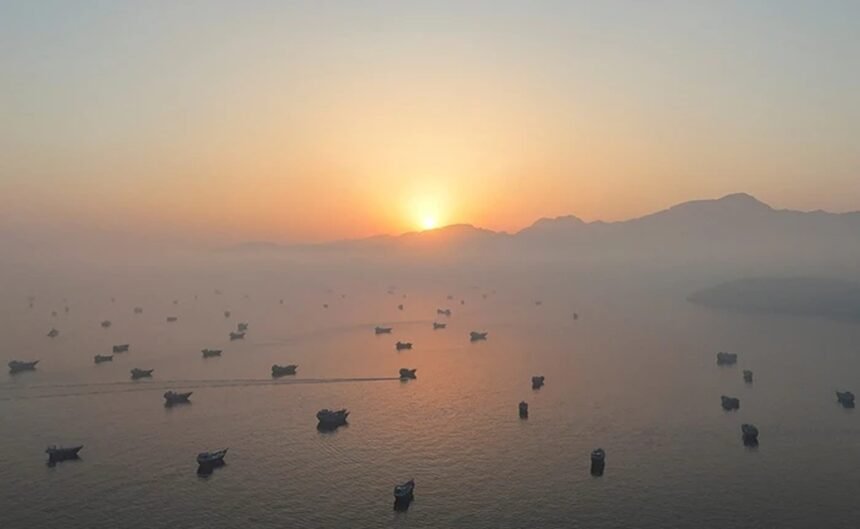
While ship traffic through the Strait of Hormuz has increased following the temporary agreement between the United States and Iran aimed at ending the war, it has not yet returned to pre-conflict levels.
The effective closure of this vital maritime corridor by Iran through which around one-fifth of the world’s oil and liquefied natural gas passed before the conflict has restricted global energy supplies and contributed to rising inflation.
It remains unclear whether vessels will eventually be required to pay transit fees for using the strait, which lies between Iran and Oman.
According to data and analytics firm Kpler, approximately 71 ships transited the strait between Friday and Sunday, with a peak of 35 crossings on Saturday, reports Sky News.
This remains significantly below pre-war levels, when roughly 100–130 vessels passed through the strait each day.
The main central shipping route remains mined and closed, forcing vessels to use a narrower northern route through Iranian waters and a southern route through Omani waters.
Under last week’s memorandum of understanding, Iran will manage the strait during the 60-day negotiation period between the United States and Tehran.
Although passage through the strait was previously free of charge, Iran established a new state authority last month to collect payments from vessels and has required ships to register with the so-called “Persian Gulf Strait Authority.”
However, both sides have agreed that no transit fees will be imposed during the 60-day negotiation period.
Donald Trump has suggested that the United States could introduce its own transit fees if a final agreement is not reached before the deadline.
As part of the agreement, Iran has also stated that it will complete mine-clearing operations in the area within 30 days.