
Serbia’s efforts to keep its policy of encouraging non-recognition of Kosovo active remain a key element of its diplomatic strategy. The Serbian Prime Minister’s recent luncheon with representatives of countries that have not recognized Kosovo is seen as a signal that Belgrade continues to use the Kosovo issue as an instrument of its foreign policy.
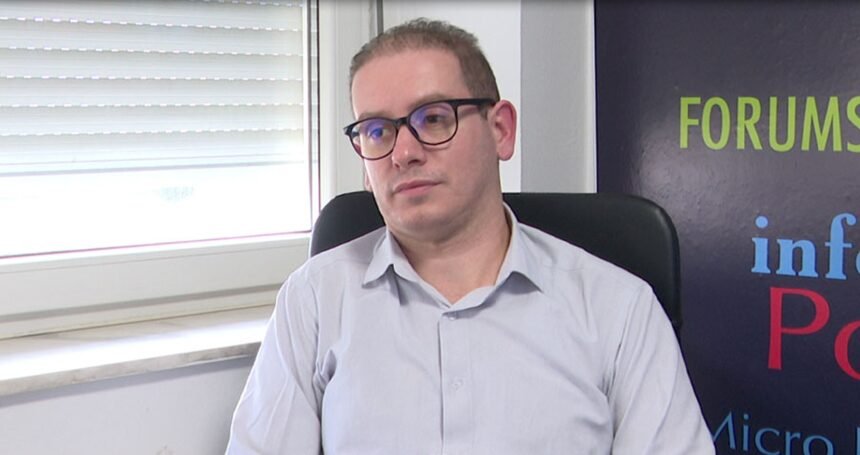
According to Gurakuç Kuçi, a researcher at the Hybrid Institute, the meeting was not merely a symbolic or protocol event but part of a broader strategy aimed at preserving and strengthening the bloc of countries that do not recognize Kosovo.
However, Kuçi argues that this approach is increasingly carrying political costs for Serbia, particularly in its relations with the European Union.
In his analysis, Kuçi notes that while Belgrade continues to invest diplomatic efforts against Kosovo’s statehood, Serbia’s own European integration process is facing new obstacles.
“Serbia is trying to keep its policy of non-recognition toward Kosovo active. Prime Minister Macut’s luncheon with representatives of countries that have not recognized Kosovo was not a protocol gesture. It is a continuation of Belgrade’s strategy to use non-recognition as a diplomatic instrument against Kosovo’s statehood.
But the problem for Serbia is that this policy does not come without a cost. At the same time that Belgrade is attempting to undermine Kosovo in the international arena, Serbia is facing setbacks in its European integration process. The failure to secure a recommendation for opening new EU accession chapters shows that some member states are no longer willing to treat Serbia as a candidate country that can be rewarded solely for its rhetoric.
This is the central contradiction of Serbia’s policy: it seeks benefits from the European Union but does not behave like a country that has made a genuine European choice; it speaks of dialogue while investing in obstruction; it calls for regional stability in its statements but, in practice, uses Kosovo as a tool for both domestic and international political pressure. Therefore, what Serbia presents as a diplomatic success against Kosovo is, in reality, becoming a political burden for Serbia itself.
Serbian citizens who want a European future should recognize this clearly: Vučić’s policies are not strengthening Serbia—they are keeping it blocked. Diplomatic photo opportunities, meetings with non-recognizing countries, and displays of military strength may serve domestic propaganda, but they do not produce development, integration, or a European future.
In the end, the damage Belgrade seeks to inflict on Kosovo may ultimately return to Serbia in the form of political isolation.
And this appears to be increasingly evident in Brussels.”